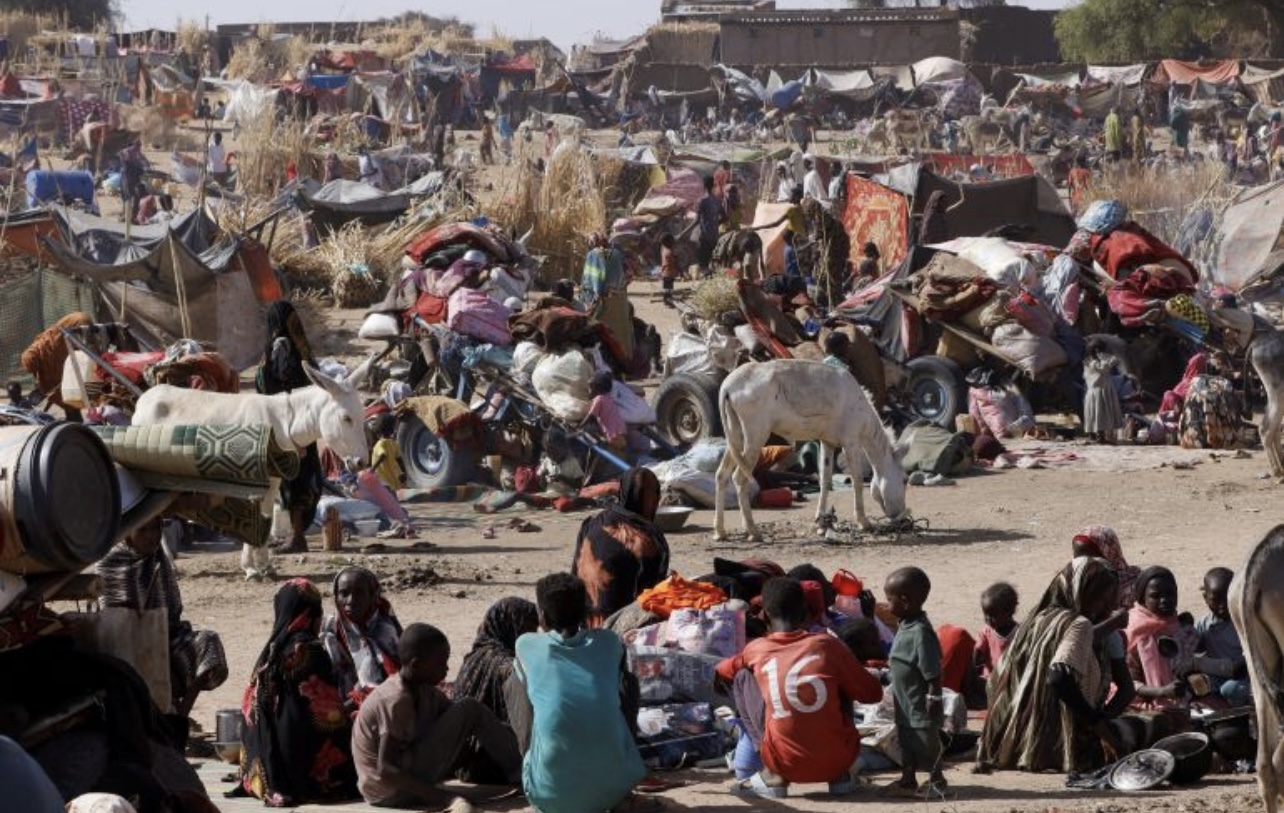
A drone and artillery attack on a displacement shelter and university grounds in the besieged city of El-Fasher on Saturday killed dozens of people and wounded many more, local activists, medical groups and U.N. officials said, deepening an already catastrophic humanitarian crisis in Darfur.
Local resistance committees and activists said the Rapid Support Forces (RSF), the paramilitary group fighting Sudan’s regular army, carried out the strikes on the Dar al-Arqam displacement centre located on university land, killing as many as 60 people according to some accounts. The Sudan Doctors’ Network and other medical sources gave slightly different tolls — reporting at least 53 dead, including women and children — while a Reuters count based on local journalists put a more conservative confirmed figure but warned the death toll could be significantly higher as rescue and verification remain hampered.
The United Nations’ human rights office said the strikes formed part of a larger pattern of attacks on civilians in El-Fasher, which has been under siege for more than a year and remains one of the last government-held cities in North Darfur. UN High Commissioner for Human Rights Volker Türk condemned the attacks and repeated calls for states with influence over the parties to take urgent measures to protect civilians and prevent large-scale atrocities.
Witnesses, survivors and local medics described scenes of chaos and bodies being pulled from burning shelters. The resistance committee said “children, women and the elderly were killed in cold blood, and many were completely burned,” while health workers reported dozens more injured and hospitals struggling to cope amid shortages and the wider collapse of services in the besieged city. Verification of exact casualty figures is difficult because access for independent monitors and aid agencies is extremely limited.
The latest strike follows months of intensified RSF drone and artillery operations across Darfur and other parts of Sudan since fighting erupted in April 2023 between the RSF and the Sudanese Armed Forces. The conflict has displaced millions, left parts of the country facing severe food insecurity and prompted international investigations into alleged war crimes and crimes against humanity. The U.N. and humanitarian organizations have repeatedly warned that El-Fasher’s siege — which humanitarian sources say has trapped hundreds of thousands of civilians — risks spiraling into wider famine and mass atrocities if access is not restored.
International reaction was swift in tone if limited in action: U.N. rights officials and aid groups condemned the attack and urged immediate protection for civilians and unfettered humanitarian access. At the time of reporting there was no public response from RSF spokespeople accepting responsibility or from other international capitals with a detailed statement on the strike; casualty counts and details remained fluid as local groups and agencies continued to document the carnage.


 English