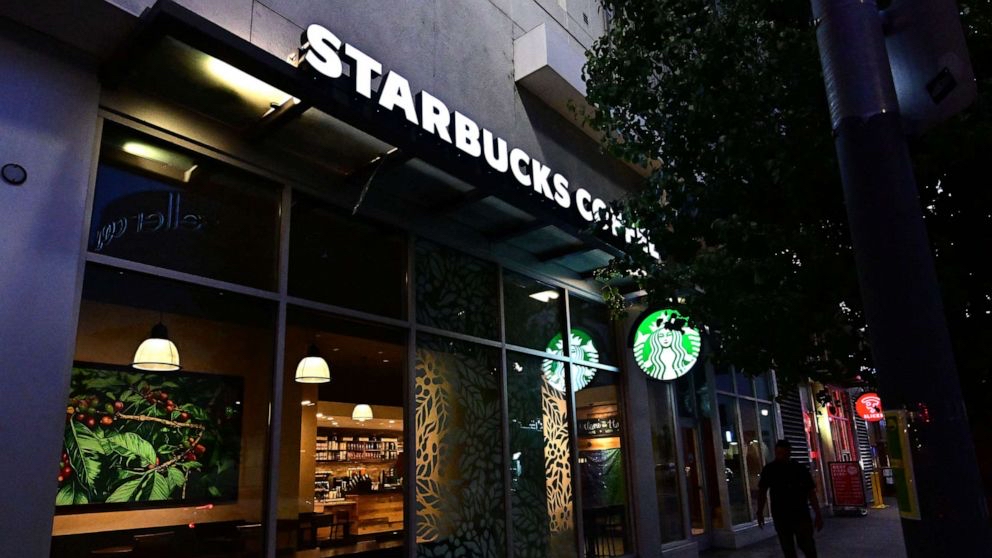
Starbucks, the world’s largest coffee chain, is changing its longstanding urban expansion strategy, announcing closures of dozens of stores in major cities as part of a broader plan to focus on quality over quantity. The company, which once aimed to be on nearly every corner of large metropolitan areas, has revealed that it no longer wants to be on every street in cities like New York and Los Angeles.
As part of a $1 billion restructuring initiative, Starbucks is closing roughly 400 stores across the United States, with many of the affected locations situated in dense urban neighborhoods. In New York City alone, dozens of high-traffic corner stores in Manhattan, Brooklyn, and Queens have been shuttered. Similarly, Los Angeles has seen more than 20 closures, particularly in central business districts where high rents combined with declining foot traffic have made some locations unsustainable.
The company’s retreat from aggressive urban saturation reflects several pressures that have emerged in recent years. Remote work has reduced commuter traffic, especially in downtown areas where Starbucks once thrived. At the same time, competition from independent coffee shops and local chains has grown, and the sheer number of stores sometimes led to cannibalization, with individual locations performing below expectations.
CEO Brian Niccol, who took over in September 2024, has emphasized profitability and customer experience over sheer presence. He has outlined a plan that includes not only closures but also renovations and new store formats designed to feel more welcoming, encouraging customers to spend time in stores rather than simply passing through. These redesigned locations, slated to open in 2026, will feature updated layouts, seating, and design elements tailored to local communities, as part of an initiative the company calls “Back to Starbucks.”
While Starbucks is not abandoning major markets entirely, the shift marks a significant change in strategy. The era of near-ubiquity, often joked about in popular culture, is giving way to a curated approach that prioritizes stronger, better-performing stores. Local officials and employees have expressed concerns about the closures and their impact on workers, prompting the company to ensure compliance with labor regulations and fair treatment of staff affected by the restructuring.
Analysts see this move as Starbucks’ acknowledgment that long-term growth depends less on saturation and more on creating a superior customer experience. By consolidating underperforming stores and investing in high-quality locations, the chain aims to maintain its dominance in key markets while adapting to changing consumer habits and urban landscapes.



 English