
Survivors and relatives of victims of Maine’s deadliest mass shooting have filed a federal lawsuit against the United States government, accusing the Army and Department of Defense of gross negligence in failing to prevent the October 2023 massacre that killed 18 people and injured 13 others. The case, filed in U.S. District Court in Maine, alleges that Army officials ignored repeated warnings about Army reservist Robert Card’s deteriorating mental state and failed to act despite clear signs that he posed a threat to himself and others.
The plaintiffs, representing more than 100 survivors and family members, describe the Lewiston shooting as “one of the most preventable mass tragedies in American history.” They argue that as early as March 2023, the Army was aware of Card’s paranoia and delusions, and had even pledged to secure his weapons. Instead, according to the complaint, officials misled law enforcement and violated their own procedures by allowing him to keep his firearms. Several opportunities for intervention were missed, including after Card was hospitalized for psychiatric care during the summer of 2023. Fellow reservists later told investigators that they had warned superiors just weeks before the attack, saying they believed Card was likely to carry out a mass shooting.
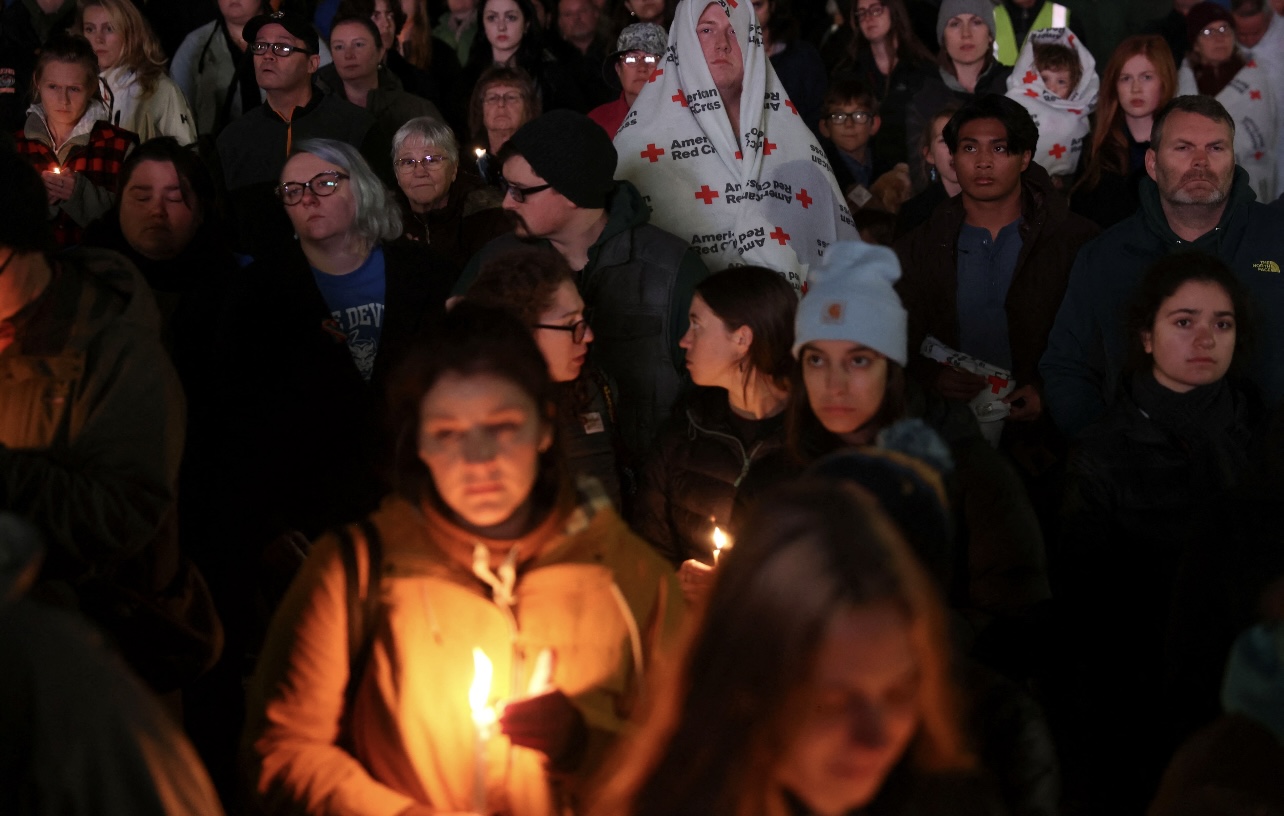
Attorneys for the victims’ families say the case highlights systemic failures in how the military handles threats involving service members. They are seeking compensation for emotional trauma, medical bills, and funeral expenses, but emphasize that accountability is their primary goal. At a press conference in Lewiston, attorney Benjamin Gideon said, “If the Army does not accept accountability here, it is hard to imagine it ever doing so without being forced in court.” One widow, Cynthia Young, who lost both her husband and son in the shooting, described her family’s grief as compounded by the knowledge that the deaths were avoidable.
An independent commission in Maine has already concluded that both military and civilian authorities failed to act when they had the chance. The commission found that Maine’s “yellow flag” law, which allows authorities to remove firearms from someone in crisis, could have been invoked in September 2023 but was not. It also determined that warnings about Card’s mental health collapse were not properly reported up the chain of command within the Army Reserve.
The lawsuit also points to growing evidence that Card’s condition may have been worsened by repeated exposure to blast forces during military training, a factor the Army allegedly ignored in assessing his risk. Attorneys argue that not only did the Army fail to protect the public, but it also failed to protect one of its own service members from deteriorating to the point of violence.
The Department of Defense has declined to comment on the pending litigation. The families had filed an initial notice of intent to sue nearly a year ago, but say the government never responded. With the filing of the lawsuit, they hope to force systemic reforms and ensure that no other community experiences a similar tragedy.
As legal proceedings move forward, the case is expected to test how far victims of mass shootings can hold federal institutions accountable. For the families of Lewiston, the fight is about more than compensation it is about preventing another preventable massacre from devastating another American town.


 English