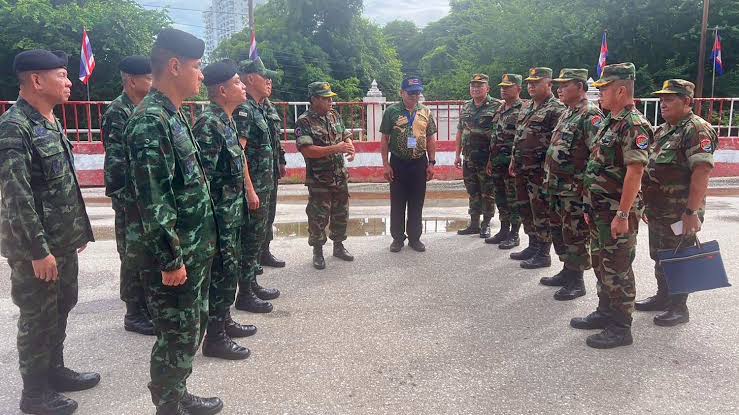
Thailand has accused Cambodia of violating a newly signed ceasefire agreement, raising concerns about the durability of efforts to end weeks of deadly border clashes between the two Southeast Asian neighbours. The accusation comes only days after both governments agreed to halt hostilities following intense fighting along their disputed border, which has killed dozens of people and forced large numbers of civilians to flee their homes.
According to Thailand’s military, Cambodian forces breached the ceasefire when multiple unmanned aerial vehicles crossed into Thai airspace shortly after the agreement came into effect. Thai officials described the drone activity as a provocation and a clear violation of the terms of the ceasefire, which called for an immediate cessation of all military operations. The Thai army said such actions undermine confidence-building efforts and threaten to derail the fragile truce.
Cambodia has rejected Thailand’s claims, downplaying the incident and insisting it does not amount to a serious breach of the agreement. Cambodian officials said the matter involved limited drone movements that should be addressed through dialogue and existing military communication channels rather than public accusations. Phnom Penh maintains that it remains committed to the ceasefire and to resolving disputes peacefully.
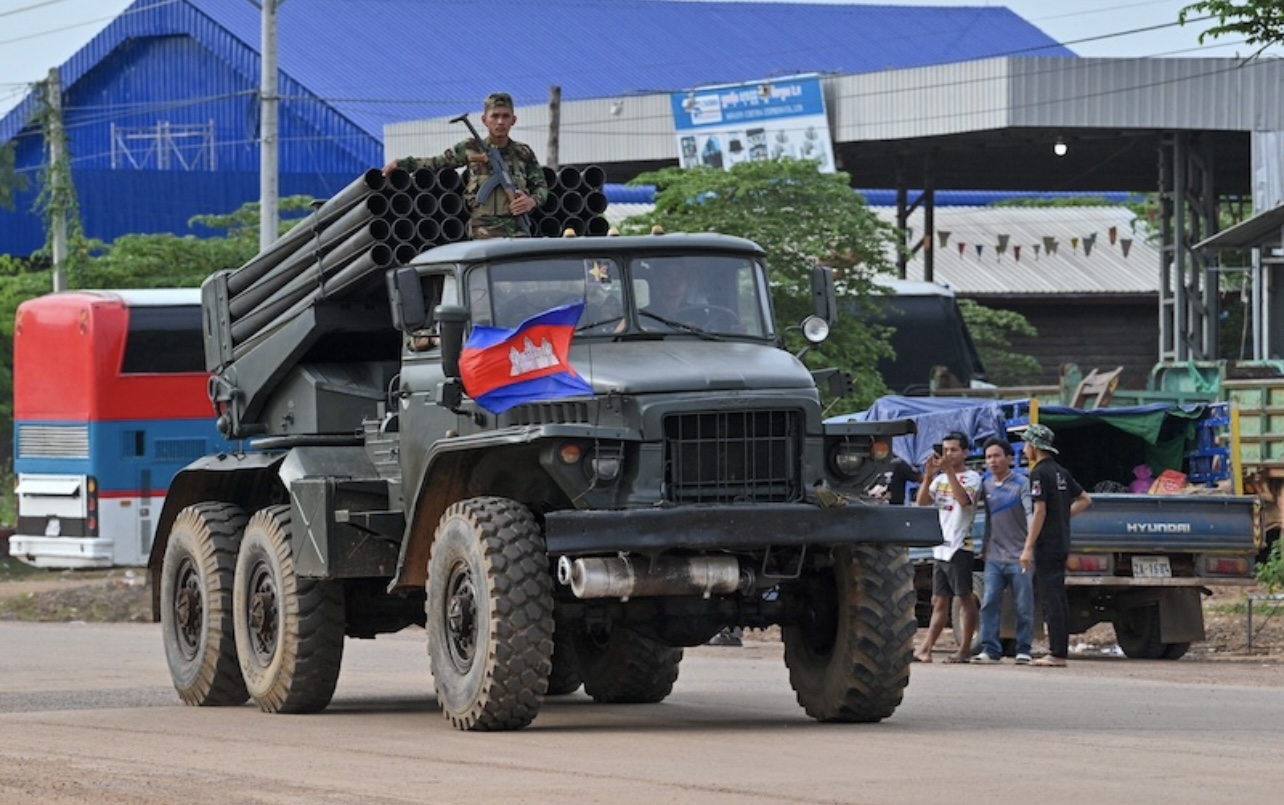
The ceasefire was signed after diplomatic pressure from regional and international actors, including talks facilitated by China, aimed at preventing further escalation of a long-running territorial dispute. The conflict, rooted in disagreements over poorly demarcated border areas dating back decades, has flared repeatedly despite earlier agreements to maintain calm. Recent clashes marked one of the most serious escalations in years, involving artillery fire, air surveillance and troop movements on both sides.
Analysts warn that mutual mistrust and differing interpretations of ceasefire terms could quickly unravel the deal if not carefully managed. Thailand has indicated that further violations could affect other confidence-building measures agreed as part of the truce, including humanitarian access and the possible release of detained soldiers. Meanwhile, civilians along the border remain wary, with many reluctant to return home amid fears that fighting could resume.
As both sides investigate the latest incident, regional observers say sustained dialogue and third-party mediation will be crucial to preventing renewed violence. While the ceasefire has so far reduced large-scale fighting, the latest accusations highlight how fragile peace remains in one of Southeast Asia’s most sensitive border regions.


 English