
Thailand and Cambodia have agreed to conduct talks in Malaysia on Monday in an attempt to resolve a four-day crisis. Thailand announced on Sunday that a delegation led by acting Prime Minister Phumtham Wechayachai would attend, following US President Donald Trump’s invitation to both countries’ leaders on Saturday to advocate for a quick ceasefire. Malaysia informed the Thai government that Cambodian Prime Minister Hum Manet would also be attending. At least 33 military and civilians have been killed, and thousands of Thai and Cambodian people have been displaced since border combat began on July 24.
On Sunday, US President Donald Trump said he reminded the leaders of both countries that there would be no talks about lowering the 36% trade duties he put on them unless they stopped fighting. “I called the prime ministers of each and said, ‘we’re not going to make a trade deal unless you settle a war’,” according to him. “I think they want to settle.” At the start of a private tour to his Scottish golf estates, Trump posted on Truth Social that both countries “have agreed to immediately meet and quickly work out a ceasefire and, ultimately, PEACE!”
Both countries thanked him for his concern and efforts, though shelling continued overnight into Sunday. Cambodia accepted his request for a ceasefire, while Thailand stressed the need for a dialogue between the two countries.
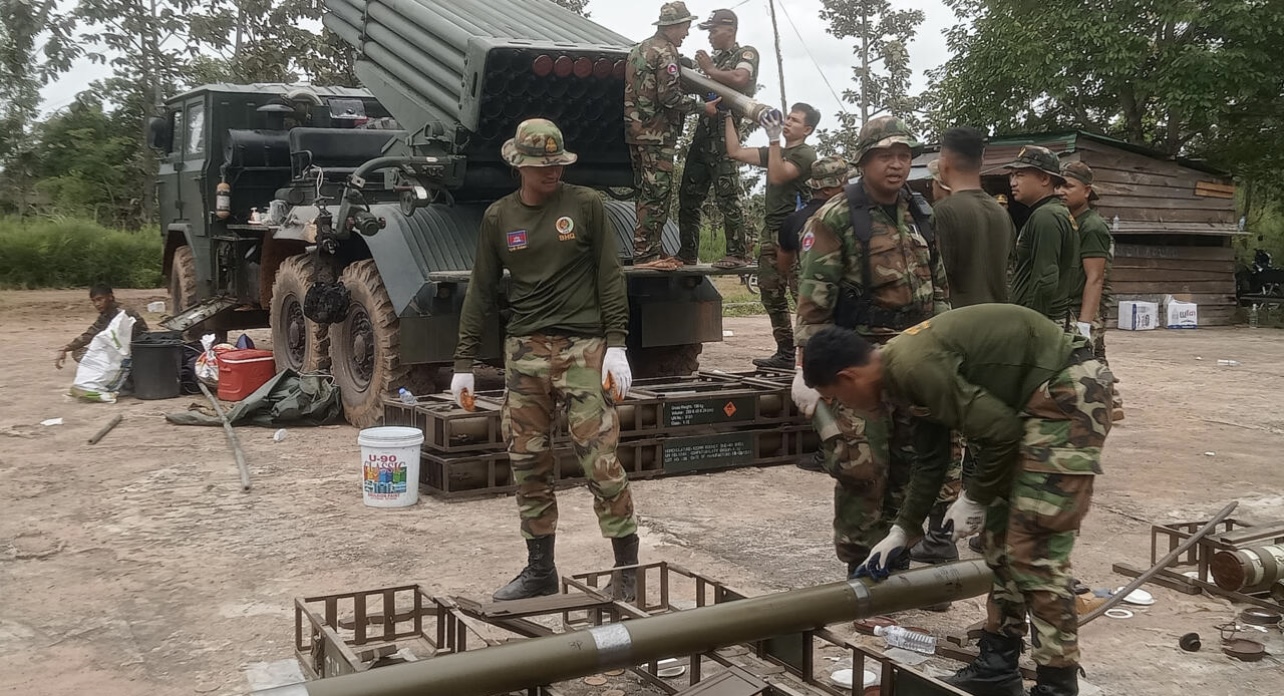
Why are Thailand and Cambodia fighting at their border?
Cambodia had already suggested a cease-fire; its military is weaker than Thailand’s, and it has been losing ground and equipment due to Thai artillery bombardment and air strikes. “I made it clear to Trump that Cambodia agreed with the proposal for an immediate and unconditional ceasefire between the two armed forces,” Manet said following the phone chat, adding that Trump’s mediation “will truly help protect the lives of many soldiers and civilians”. Thailand, on the other hand, claims it is open to accept a cease-fire but insists on first engaging in dialogue with Cambodia.
Wechayachai “thanked President Trump for his concern and stated that Thailand had agreed in principle to a ceasefire. Thailand, on the other hand, would like to see genuine intentions on Cambodia’s part,” the Thai foreign ministry stated in a statement. Since the combat began on July 24, at least 33 military and civilians have been killed, with thousands more Thai and Cambodian people displaced.
No peace, no trade negotiations. Trump said he looked forward to beginning trade talks with Cambodia and Thailand, but it wasn’t acceptable to do so until the “fighting STOPS”. He has intervened a week before US tariffs on Cambodia and Thailand are set to go into effect. Businesses in the United States that ship goods from Thailand or Cambodia will be required to pay a 36% tax beginning August 1, unless an agreement is reached before then. It is unclear how Trump became involved in the crisis, given that Thailand’s foreign minister, Maris Sangiampongsa, stated just one day ago: “I don’t think we need any mediation from a third country yet.” Malaysian Prime Minister Anwar Ibrahim had earlier promised to assist the negotiations.
Cambodia had previously asked for a “immediate” cease-fire with Thailand and a peaceful end to the conflict. After teeing off at his luxurious resort, Trump Turnberry in South Ayrshire, the US president said that he had spoken with Cambodian Prime Minister Hun Manet and Phumtham. “When all is done, and peace is at hand, I look forward to concluding our Trading Agreements with both!” Trump wrote. Thailand and Cambodia have each accused the other of firing first in the recent conflict. Thailand alleges the conflict began when Cambodia’s military deployed drones to monitor Thai troops near the border.
Cambodia claims that Thai forces broke a previous agreement by advancing on a Khmer-Hindu shrine. The conflict between the two countries stretches back more than a century, when their borders were set following the French conquest of Cambodia.

 English