
The US Department of Education has halted the cancellation of student loans under Income-Based Repayment programs, raising concerns among borrowers that their loans would not be wiped anytime soon. The agency announced the pause in a FAQ on its Federal Student Aid website earlier this month, stating that it needs to address a federal court ruling affecting income-based repayment arrangements.
“Currently, IBR forgiveness is on hold while our systems are updated to accurately count months not affected by the court’s injunction. “IBR forgiveness will resume once those updates are complete,” the government stated. The agency stated that while forgiveness in other income-driven repayment programs is delayed, it will continue to “process loan forgiveness for the IBR Plan, which was separately enacted by Congress” in the future.
The suspension comes during a period of significant upheaval for the nation’s student loan system, which has alarmed some borrowers. Interest will begin to accrue on August 1 for millions of borrowers in Saving on a Valuable Education (SAVE) plans, a Biden-era income-driven repayment option that has been prohibited by a federal court injunction, even as payments remain suspended. And President Donald Trump’s “big, beautiful bill” includes a significant overhaul of student loan repayment plans and borrowing rules. Approximately 2 million borrowers in IBR plans are eligible to have their loans forgiven after either 20 or 25 years of payments, depending on when the loans were originated. However, determining whether debtors have made enough payments to qualify for forgiveness has been a difficulty.
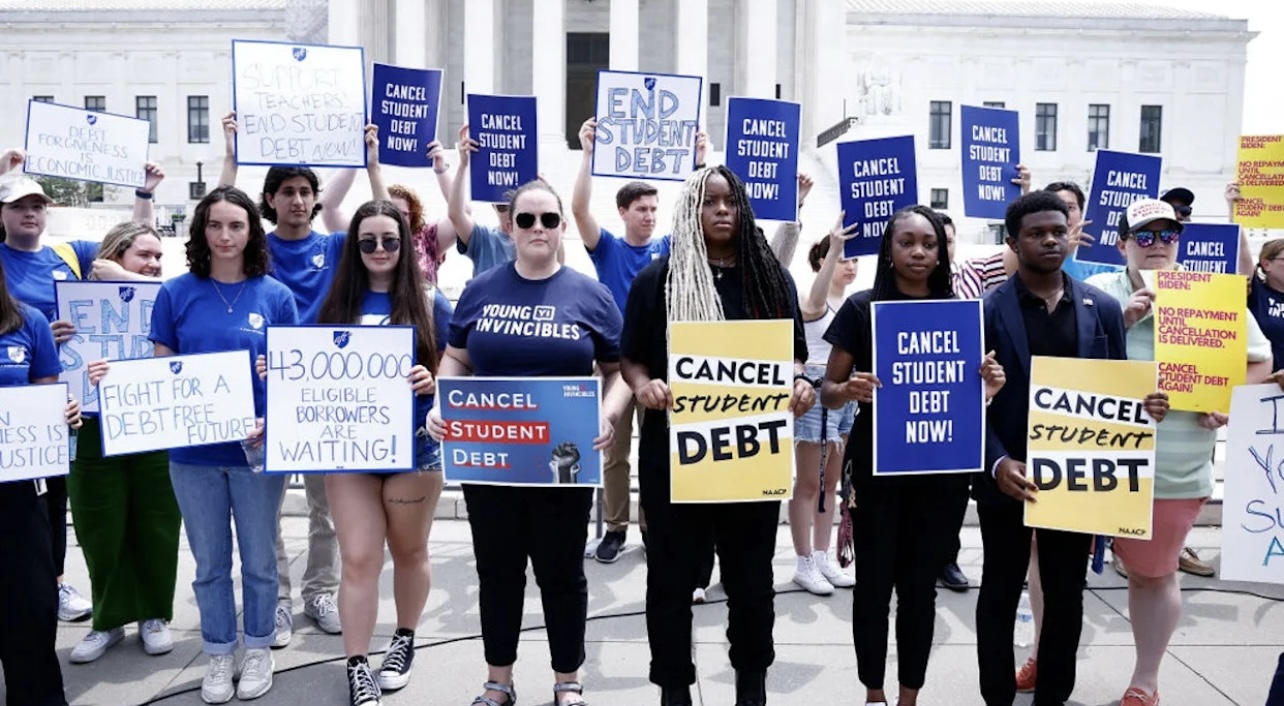
Also, the Biden administration made several changes to the IBR plan forgiveness program, including counting the months that loan payments were deferred for economic hardship reasons or paused in forbearance toward payment requirement.
According to Mark Kantrowitz, a long-time student loan specialist, the court’s order had an impact on several of the Biden administration’s regulatory adjustments related to the IBR programs, such as the extended range of deferments and forbearances that count towards forgiveness. Borrowers, on the other hand, are concerned that the Trump administration, which has historically been opposed to loan forgiveness programs, may “slow walk” loan discharges, according to Kantrowitz. They must continue to repay their debts until the Department of Education certifies that they meet the conditions for loan discharge.
“Borrowers who qualify for forgiveness want to receive their forgiveness,” he said.
The department says that it needs to temporarily suspend the IBR plan forgiveness program to implement the court ruling.
“Legal IBR discharges will resume as soon as the Department is able to establish the correct payment count,” the agency’s deputy press secretary, Ellen Keast, said. “For any borrower that makes a payment after the date of borrower eligibility, the Department will refund overpayments when the discharges resume.” Scott Buchanan, executive director of the Student Loan Servicing Alliance, believes the pause will not last long.
Another reason qualified borrowers are concerned about the suspension is that loans cancelled after January 1 will be treated as income for tax purposes, according to Aissa Canchola Banez, policy director of the Student Borrower Protection Centre, an advocacy organisation. That’s because the Republican-led Congress did not extend a Biden-era rule that exempted such cancellations from taxes, which was set to expire at the end of the year. “This delay can force folks to ultimately get to that date in which they could potentially see a tax bill,” she informed me. The department, which has laid off a considerable number of employees, is already dealing with a large backlog of approximately 1.5 million applications from borrowers looking to move to other income-driven repayment programs, Kantrowitz said.



 English