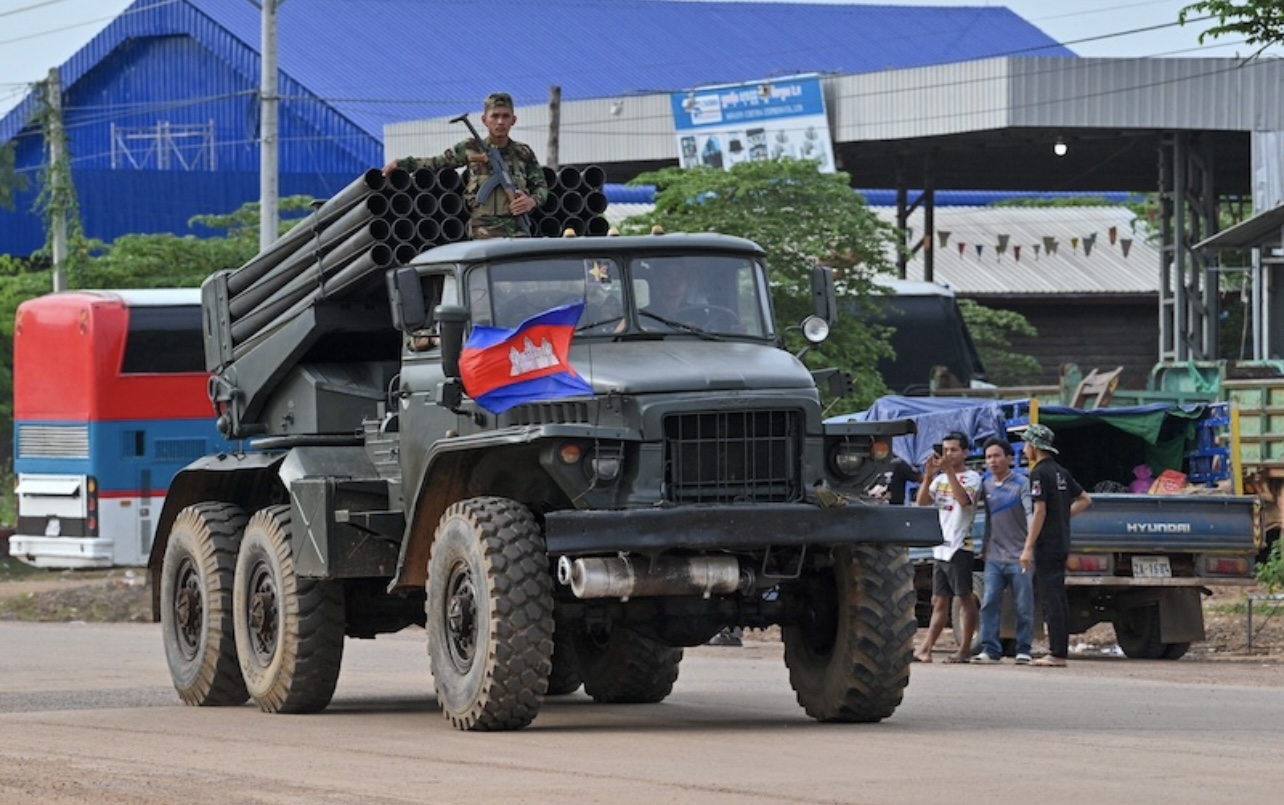
Thousands of residents have fled towns and villages along the disputed Thailand–Cambodia frontier after a fresh round of clashes that saw Thai forces launch air strikes into border areas and exchange deadly fire with Cambodian units. The violence — which followed a landmine incident that injured a Thai soldier and threatened a fragile truce — has killed civilians and soldiers and sent large numbers of people scrambling for safety on both sides of the border.
Local officials and international media reported that at least one Thai soldier and several Cambodian civilians were killed in the latest incidents, while multiple others were wounded. Thai authorities said they carried out targeted air strikes against what they described as Cambodian military positions after accusing Cambodian forces of using rockets and heavy weapons; Cambodia denied provoking the attacks and accused Thailand of unjustified aggression.
The scale of displacement is significant. Thai military and provincial authorities say hundreds of thousands of people have been moved out of frontline provinces into temporary shelters, while Cambodian officials reported thousands of families leaving border districts. Some reports put the number of people evacuated or displaced across both countries in the low hundreds of thousands since fighting flared earlier in the year and flared again in recent days. Humanitarian agencies warn that continued fighting risks worsening an already serious humanitarian crisis.
The most recent escalation was linked by Thai officials to a landmine blast that seriously injured a Thai soldier in November, an incident Bangkok says breached de-escalation arrangements and justified a forceful response unless Cambodia apologised — a claim Phnom Penh rejected. The two countries had agreed a fragile ceasefire months earlier after a summer of heavy fighting that left dozens dead and displaced many more.
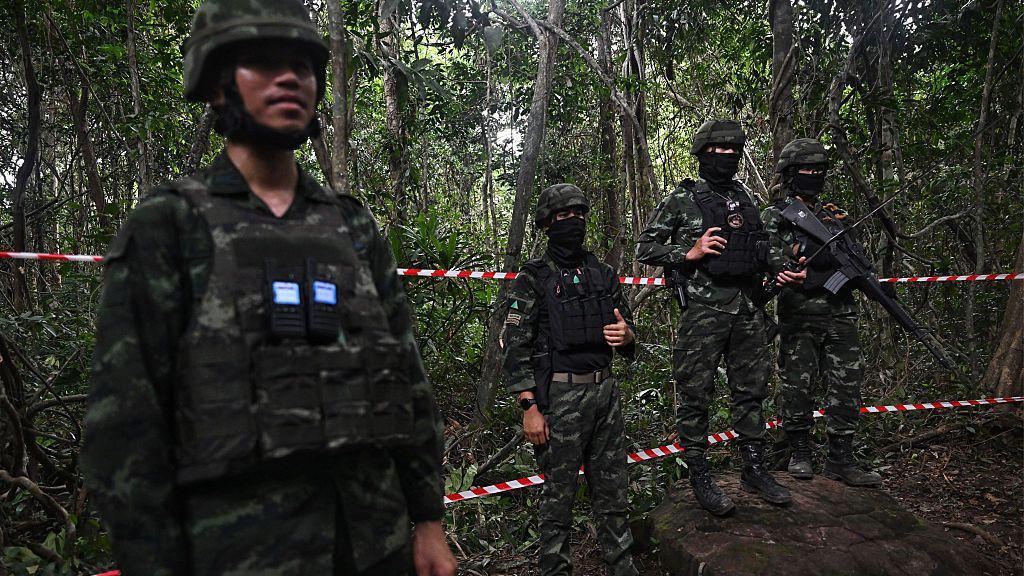
Thai military briefings released aerial imagery and maps showing troop movements and alleged Cambodian positions, and commanders said the strikes were aimed at degrading the capability of units they accused of staging attacks on Thai territory. Cambodia’s government said its forces had not initiated the exchanges and urged restraint, while regional leaders and diplomats called for calm and an immediate return to talks to prevent further civilian suffering.
Hospitals, schools and other civilian infrastructure near the frontier have been damaged or closed in some districts as families seek safety. Relief agencies are working with local authorities to provide emergency shelter, food and medical support, but access to some border areas has been hampered by security concerns. Observers say prolonged disruption will deepen humanitarian needs among already vulnerable rural communities.
Analysts point to long-running disputes over the precise alignment of the border, nationalist politics and the legacy of past confrontations — including contested temple areas — as the structural drivers of recurrent flare-ups between the neighbours. International mediators and ASEAN figures have previously helped broker pauses, but those truces have repeatedly proved fragile.

 English