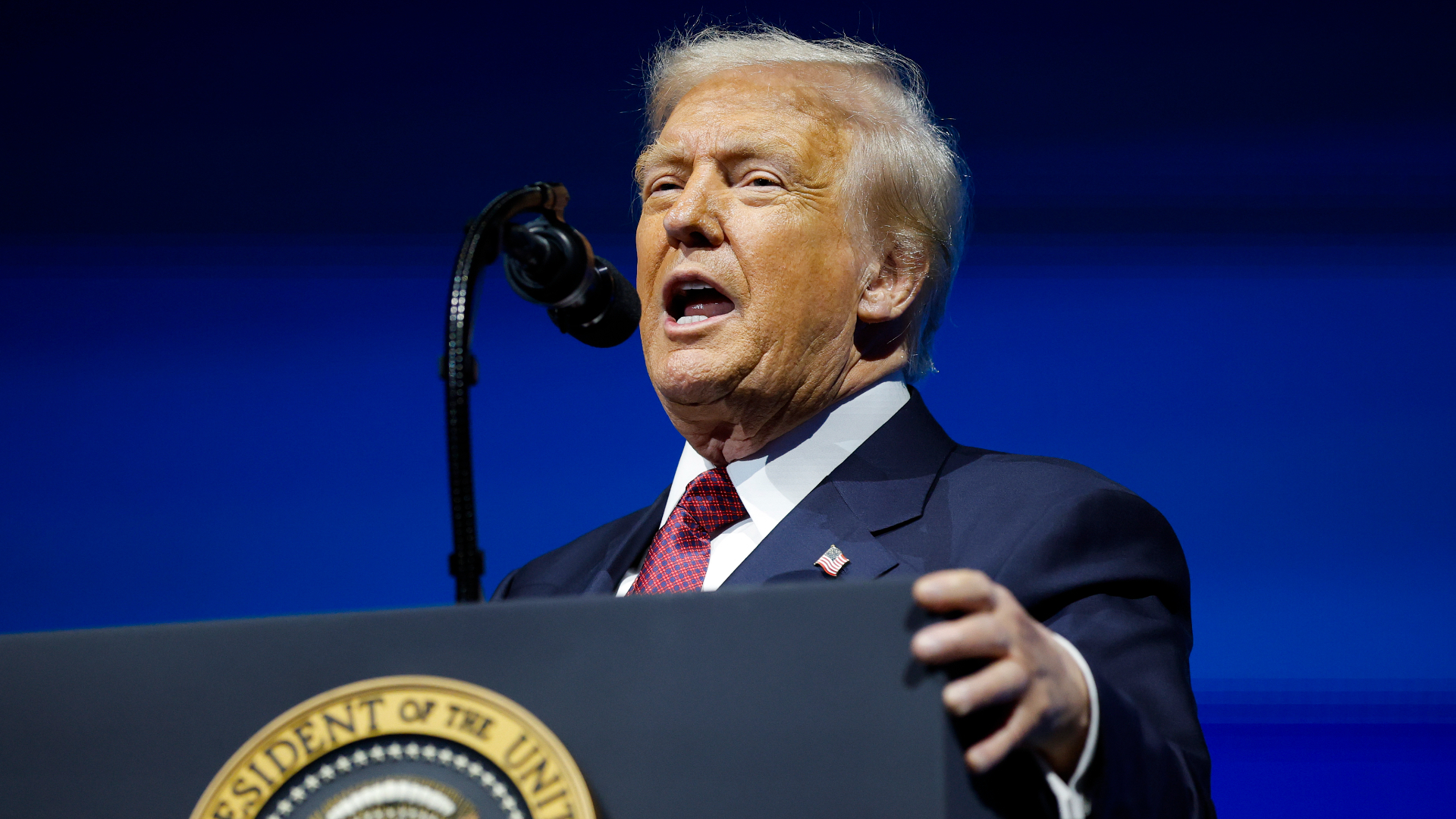
Former U.S. President Donald Trump has threatened to launch legal action worth US$1 billion against the British broadcaster BBC, claiming that a 2024 episode of its current-affairs programme Panorama misrepresented his speech of 6 January 2021. According to Trump’s legal team, the documentary spliced together segments of his speech in a way that falsely implied he was calling for violence at the U.S. Capitol, a claim the BBC now admits was “an error of judgment.”
In a letter dated 9 November and sent by Florida-based lawyer Alejandro Brito, Trump’s team demanded that the BBC issue a “full and fair retraction”, publish an apology and “appropriately compensate” him by the specified deadline—failing which legal action would be taken for no less than US$1 billion in damages.
The focus of the dispute is the way the BBC’s Panorama episode edited two separate parts of Trump’s January 6 speech ,actually delivered nearly an hour apart into what appeared to be a single continuous exhortation to march to the Capitol and “fight like hell”. The BBC admitted the editing “gave the impression of a direct call for violent action” and apologised for the “error of judgment.”
The controversy has already triggered a major shake-up at the BBC: both its Director-General, Tim Davie, and its News chief, Deborah Turness, resigned in connection with the fallout.
The BBC has confirmed receipt of the legal letter and said it will review and respond “in due course”. Legal experts note that a defamation claim by Trump faces complex jurisdictional and evidentiary hurdles—especially since the broadcaster is UK-based and Trump is a U.S. public figure.
Political reactions in the UK have followed swiftly. The UK government affirmed that the BBC plays a “vital role” in providing impartial news, but also emphasised that accountability and trust remain critical—particularly for a publicly funded broadcaster.


 English