
The United States has denied and revoked visas for senior Palestinian officials, including President Mahmoud Abbas, just weeks before world leaders gather for the United Nations General Assembly in New York. The decision, announced by Secretary of State Marco Rubio, has sparked a wave of criticism from Palestinian leaders, international allies, and UN officials, who argue that Washington is breaching its responsibilities as host nation of the world body.
According to the State Department, the move affects roughly 80 officials from the Palestinian Authority and the Palestine Liberation Organization. The Biden administration’s successor has justified the decision on national security grounds, accusing the Palestinian leadership of failing to distance itself from terrorism and of undermining peace efforts through legal campaigns in international courts rather than direct negotiations. Despite the revocations, the Palestinian mission to the UN in New York will retain access through special waivers, in accordance with the UN Headquarters Agreement that obliges the U.S. to facilitate participation of member states and observers.
Palestinian leaders reacted with anger and disappointment. The office of President Abbas said the move represented an “astonishing breach of international law,” calling on the UN and global partners to intervene. Officials warned that excluding Palestinian voices from the General Assembly would only deepen tensions and escalate the already fragile political situation in the region. In Ramallah, aides confirmed that Abbas had personally appealed for his visa to be reinstated, underscoring the symbolic weight of his presence at the annual global summit.
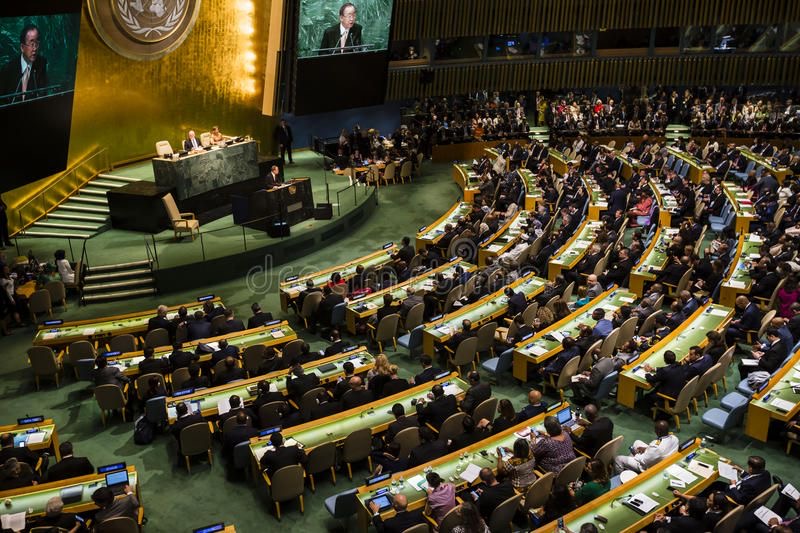
International responses were swift. The European Union and several individual member states, including France and Spain, urged Washington to reconsider the decision. Diplomats stressed that the General Assembly must remain a neutral platform for dialogue, particularly at a time when the Middle East is gripped by war and humanitarian disaster. The United Nations Secretariat also expressed concern, quietly engaging U.S. officials to ensure that the host-nation agreement is respected and that Palestinian representation is not obstructed. Israel, by contrast, welcomed the American decision. Israeli officials hailed the move as consistent with efforts to pressure the Palestinian leadership and argued that it reinforced the need for reforms before peace negotiations can resume.
The visa dispute comes against the backdrop of a worsening crisis in Gaza, where Israel’s military campaign continues and humanitarian conditions have collapsed. Analysts say the U.S. decision further isolates the Palestinian leadership at a crucial diplomatic moment, narrowing its ability to rally support for recognition of Palestinian statehood. At the same time, it raises profound legal and political questions about Washington’s obligations as UN host, potentially setting a precedent that could reverberate in future disputes.
As the UN General Assembly approaches, the absence of high-level Palestinian representation would mark a dramatic shift in the diplomatic theater. It underscores both Washington’s evolving policy and the fragility of the Palestinian Authority’s international standing, while ensuring that the annual summit will be overshadowed by controversy before it even begins.



 English