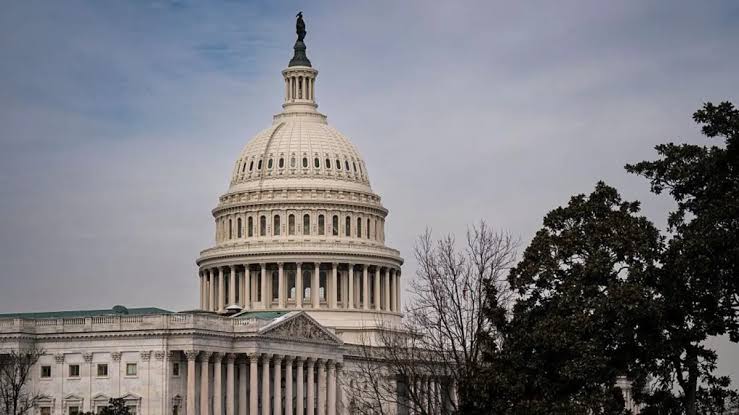
In a significant and unusual rebuke of a sitting president’s trade agenda, the U.S. House of Representatives voted on Wednesday to overturn tariffs that former President Donald Trump imposed on Canadian imports, highlighting growing concern among lawmakers about the economic impact of the measures and executive authority. The resolution passed narrowly by 219 to 211, with six Republican lawmakers joining nearly all Democrats in supporting the effort to terminate the national emergency declaration Trump used to justify the tariffs.
The tariffs had been imposed under Trump’s February 2025 use of emergency economic powers, which he argued were needed to address illicit drug flows and protect American industries. Critics, however, contended that the tariff policy raised costs for U.S. consumers and disrupted economic ties with Canada, one of the United States’ largest trading partners. The House vote represented one of the first times the Republican-controlled chamber turned against a core element of Trump’s economic strategy.
Despite its passage in the House, the measure is widely seen as symbolic because it still needs approval from the U.S. Senate and would face an almost certain veto from Trump if it reached his desk, given that the resolution did not secure a two-thirds majority in both chambers needed to override a veto. Nevertheless, the vote underscored bipartisan unease with the tariffs and reflected broader political tensions within the Republican Party ahead of the upcoming midterm elections.
President Trump publicly criticized the vote, warning on social media that Republicans who opposed his tariff policy would “seriously suffer the consequences come election time,” an indication of the political stakes involved for lawmakers crossing party lines.
Supporters of the resolution, including Rep. Gregory Meeks of New York, argued that the tariffs had hurt American families by contributing to higher prices and economic uncertainty, and that Congress should reclaim its constitutional role in setting trade policy. Some business groups and officials in Canada welcomed the House decision as a positive step toward restoring stable trade relations between the two countries.
Trade experts and lawmakers noted that while the resolution’s immediate impact may be limited without executive support, the vote sends a clear message about congressional frustration with what some see as unchecked presidential authority in matters of trade and national emergency declarations. It also reflects growing concerns in both parties about rising living costs and strained international economic relations.
As the resolution now heads to the Senate, all eyes remain on whether legislators there will back the measure and whether Trump will maintain his tariff policies or face further congressional pushback in the months ahead.



 English