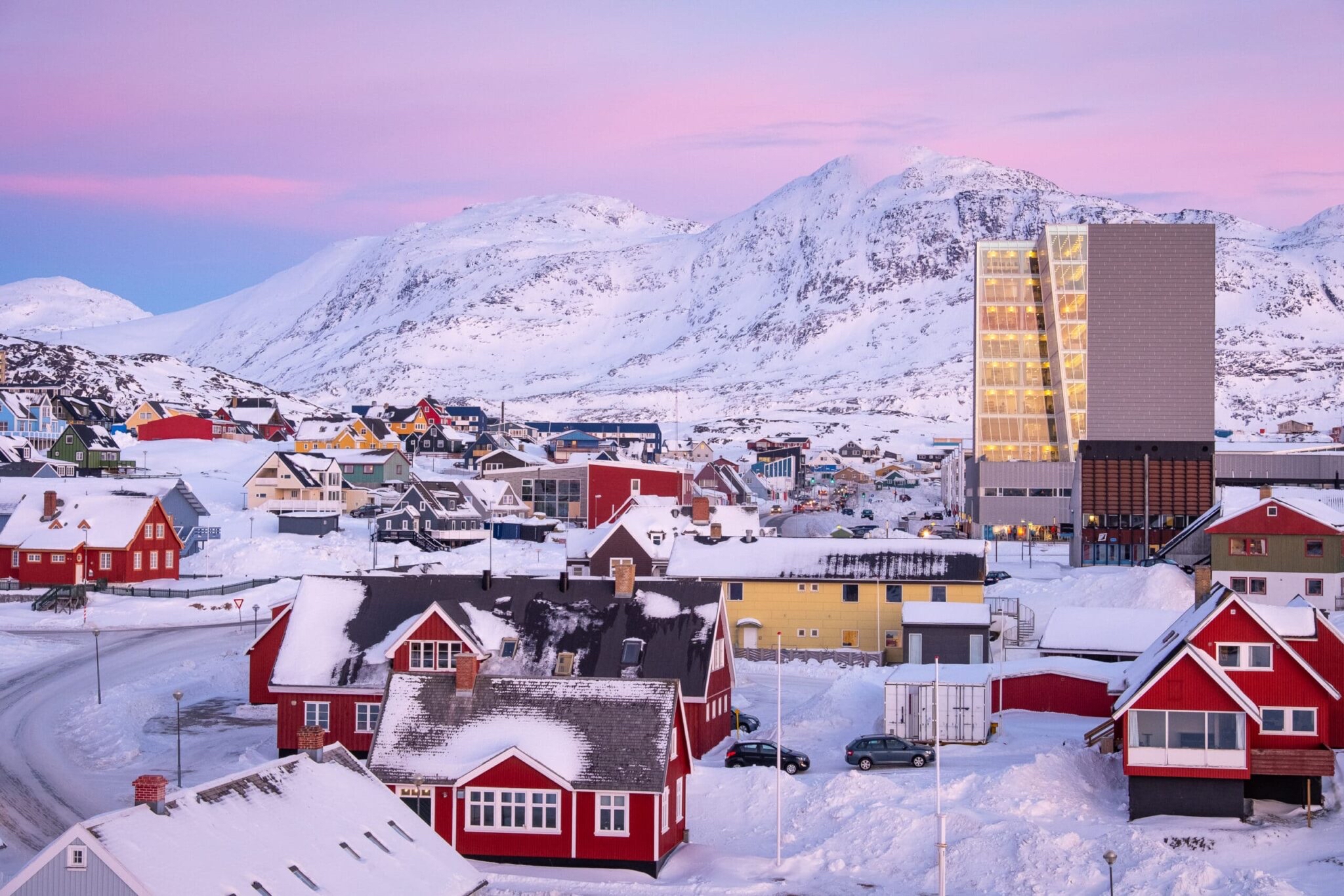
The United States’ renewed interest in acquiring control of Greenland — most recently articulated by U.S. President Donald Trump — has reignited debate over a century‑old aspiration that Washington has pursued several times in history but never achieved.
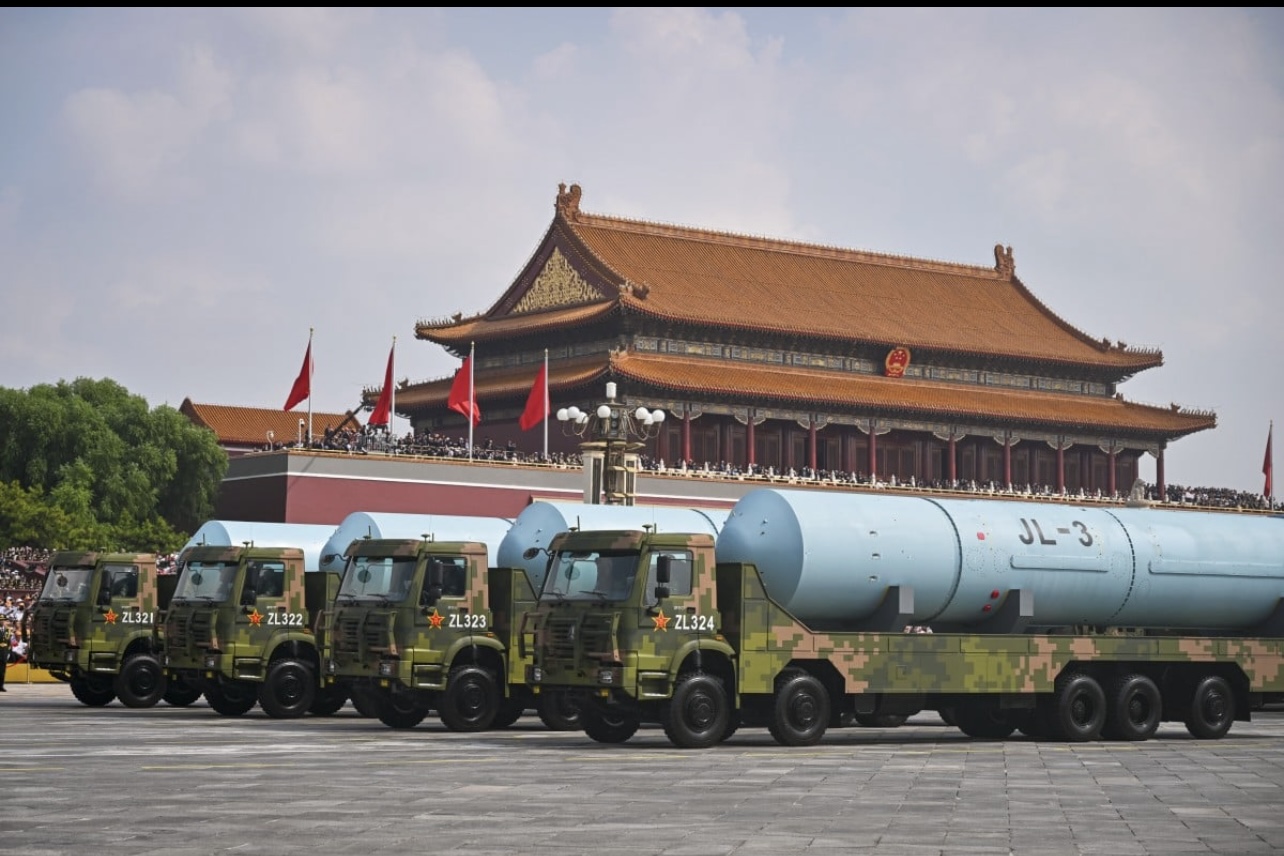
Trump’s administration has made headlines in early January by stating that using the U.S. military remains “an option” for securing Greenland, citing national security concerns as Russia and China expand their Arctic activities. This stark rhetoric has alarmed Denmark and other NATO allies.
Danish Prime Minister Mette Frederiksen warned that any attempt to take control of Greenland would mark the end of NATO, a cornerstone security alliance between the U.S. and Denmark. Greenlandic and Danish leaders have repeatedly stated that the island is not for sale and reaffirmed their sovereignty and opposition to U.S. annexation.
Historical Attempts: Four Times the U.S. Tried and Failed
Modern discussions have brought attention to multiple historical initiatives in which the United States considered acquiring Greenland — all of which ultimately failed:
1867 – Post‑Civil War Ambitions
Shortly after purchasing Alaska from Russia, U.S. Secretary of State William H. Seward considered acquiring both Greenland and Iceland from Denmark as part of broader territorial expansion. However, no formal offer was ever made and the idea dissipated as U.S. political priorities shifted.
1910 – An Audacious Proposal
The U.S. ambassador to Denmark, Maurice Francis Egan, proposed a complex land swap in which Greenland would be traded for U.S. territory in the Philippines, with further exchanges involving Germany and Denmark’s disputed region of Schleswig‑Holstein. The plan never moved past diplomatic brainstorming.
1946 – Formal Offer Rejected
The closest Washington came to a real transaction occurred after World War II, when the U.S. offered $100 million in gold to Denmark for Greenland. Denmark politely but firmly refused the offer, valuing territorial integrity and sovereignty over monetary exchange.
21st‑Century Proposals
In 2019 and again during the Trump era of the 2020s, U.S. leadership discussed purchasing Greenland, prompting diplomatic pushback from Copenhagen and Nuuk. These modern suggestions — though talked about publicly — never resulted in serious negotiations.
Why Greenland Matters
Greenland’s geographic position — between North America and Europe — makes it strategically crucial for Arctic defense and global military logistics. During the Cold War, the U.S. built and still operates Pituffik Space Base (formerly Thule Air Base) under defense agreements, not sovereignty.
In recent years, climate change opening Arctic shipping routes and the island’s potential mineral and energy resources have heightened global interest. However, Greenland’s own political evolution — a semi‑autonomous region within the Kingdom of Denmark with strong local identity — means its people and leaders have repeatedly asserted that the island will not be bought or sold.
Denmark and Greenland have responded with strong diplomatic statements reaffirming sovereignty and cooperation with NATO and Western partners, while warning against unilateral U.S. actions. Many European governments and international commentators have echoed the sentiment that respecting established borders and self‑determination is critical to global stability.
As the debate continues into 2026, Washington’s historical efforts to acquire Greenland — stretching back over 150 years — remain a reminder of the complexities of Arctic geopolitics and modern international norms.

 English