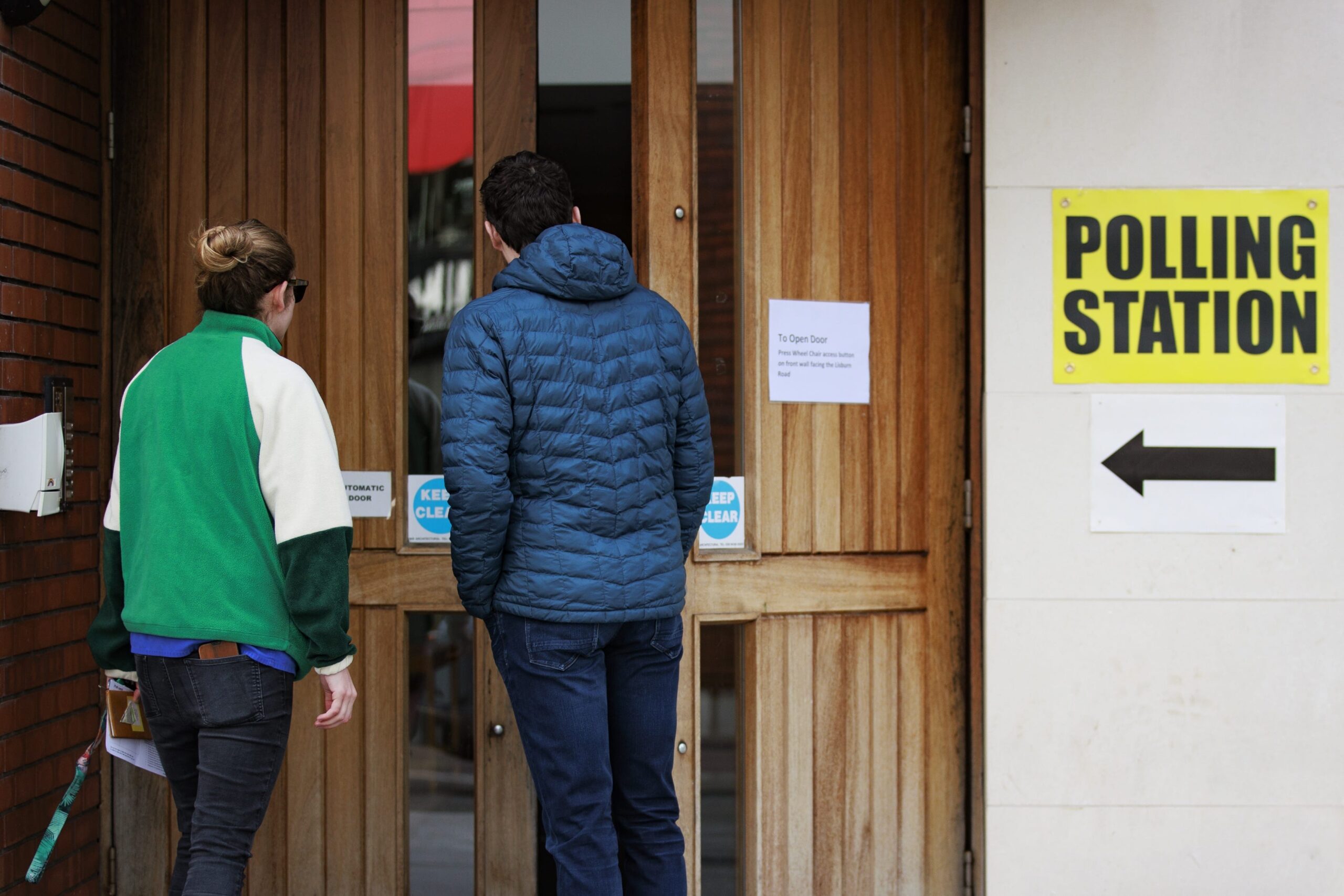
The UK government has formally introduced a significant piece of legislation to Parliament that would lower the voting age from 18 to 16 for all UK elections, marking one of the most substantial democratic reforms in decades. The bill, known as the Representation of the People Bill, was brought before MPs and peers this week and aims to extend the franchise to 16- and 17-year-olds in general elections, local elections, and devolved elections. If passed, the change will bring the national voting age in line with rules already in place in Scotland and Wales, where 16-year-olds are allowed to vote in certain elections.
In addition to lowering the voting age, the bill includes measures to strengthen protections against political interference, tighten rules on foreign donations to UK political parties, and address harassment or intimidation of candidates and election workers. It also introduces pilots for automatic voter registration and improvements to make polling stations more accessible. The House of Commons Library has confirmed that the government intends to implement the voting age reform ahead of the next general election, as outlined in its manifesto.
Supporters of the reform argue that it will modernize democracy and encourage political engagement among younger citizens, reflecting the responsibilities many 16-year-olds already hold, such as paying taxes or entering the workforce. Advocates say that including younger voters will help ensure that government policies reflect the interests of future generations and strengthen overall democratic participation.
However, the proposal has drawn criticism from some opposition parties and commentators, who argue that lowering the voting age is inconsistent with other legal restrictions on 16-year-olds, such as purchasing alcohol or gambling. Critics have also suggested that the reform may be politically motivated and rushed without sufficient public debate.
The move to lower the voting age builds on historical precedents. The voting age in the UK was reduced from 21 to 18 in 1969, and Scotland and Wales have already allowed 16-year-olds to vote in devolved elections. The introduction of this bill signals a potential nationwide expansion of the electorate, giving millions of new young voters the right to participate in UK elections for the first time. The bill will now progress through the stages of debate and scrutiny in both the House of Commons and House of Lords before it can become law.


 English