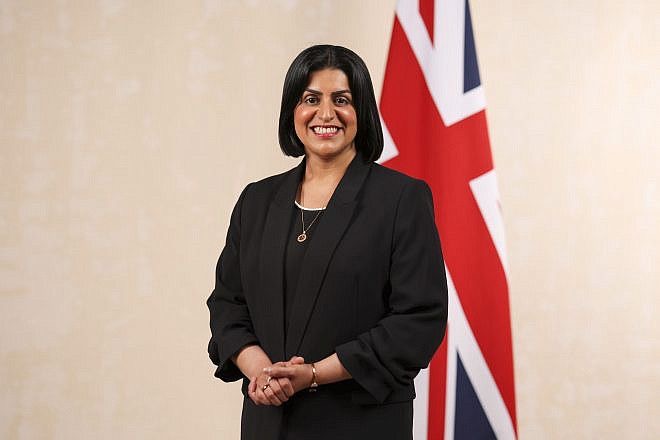
The United Kingdom government has taken the unprecedented step of halting study visas for nationals from four countries after concluding that the legal immigration route was being widely exploited to make asylum claims. Home Secretary Shabana Mahmood announced late Tuesday that the government would cease issuing study visas for people from Afghanistan, Cameroon, Myanmar and Sudan, and also suspend work visas for Afghan nationals, describing the move as necessary to stop abuse of the country’s generous immigration system.
According to official figures, the number of asylum applications lodged by individuals who initially entered the UK on legal routes such as student visas has increased sharply in recent years, with asylum applications from students from those four countries rising by more than 470 % between 2021 and 2025. Around 39 % of the almost 100,000 asylum claims made in 2025 were from people who arrived through legal migration channels, the Home Office said, leading ministers to conclude that the system was being exploited as a “back door” into the UK’s asylum system.
In a statement, Mahmood said that while Britain would continue to offer refuge to those fleeing war, persecution, and legitimate hardship, the visa system “must not be abused” by people seeking to stay in the UK by claiming asylum after arriving on study or work visas. She framed the decision as part of a broader effort to restore control to the UK’s borders and maintain public confidence in immigration processes.
The government has described the action as an “emergency brake” — a power in UK immigration law that allows the suspension of visa routes where misuse is identified. This is the first time such a brake has been applied to study visas on this scale. The measure will take effect later in March and is expected to remain in place while further reforms are developed.
Critics, including immigration lawyers and some opposition MPs, warn that the blanket suspension could harm legitimate students and damage the UK’s reputation as a leading destination for international education, potentially costing universities and local economies significant income. Proponents of the policy argue that the government is right to interrupt pathways that have become a route for repeated asylum claims, helping ease pressures on the UK’s asylum accommodation and support budgets.
This decision comes amid intense political debate in the UK over immigration policy, asylum backlogs, and the nation’s approach to legal and illegal migration, issues that have been prominent in recent elections and public opinion. The government is expected to unveil further changes to asylum processing and refugee support systems in the coming weeks.



 English