A fierce political debate has flared in Washington after U.S. senators claimed that Secretary of State Marco Rubio privately described a widely circulated 28-point peace proposal for Ukraine as a Russian “wish list,” not a genuine U.S. initiative. According to the lawmakers, Rubio told them the plan was not his administration’s own but something passed along from Moscow — a characterization that has sparked both confusion and controversy.
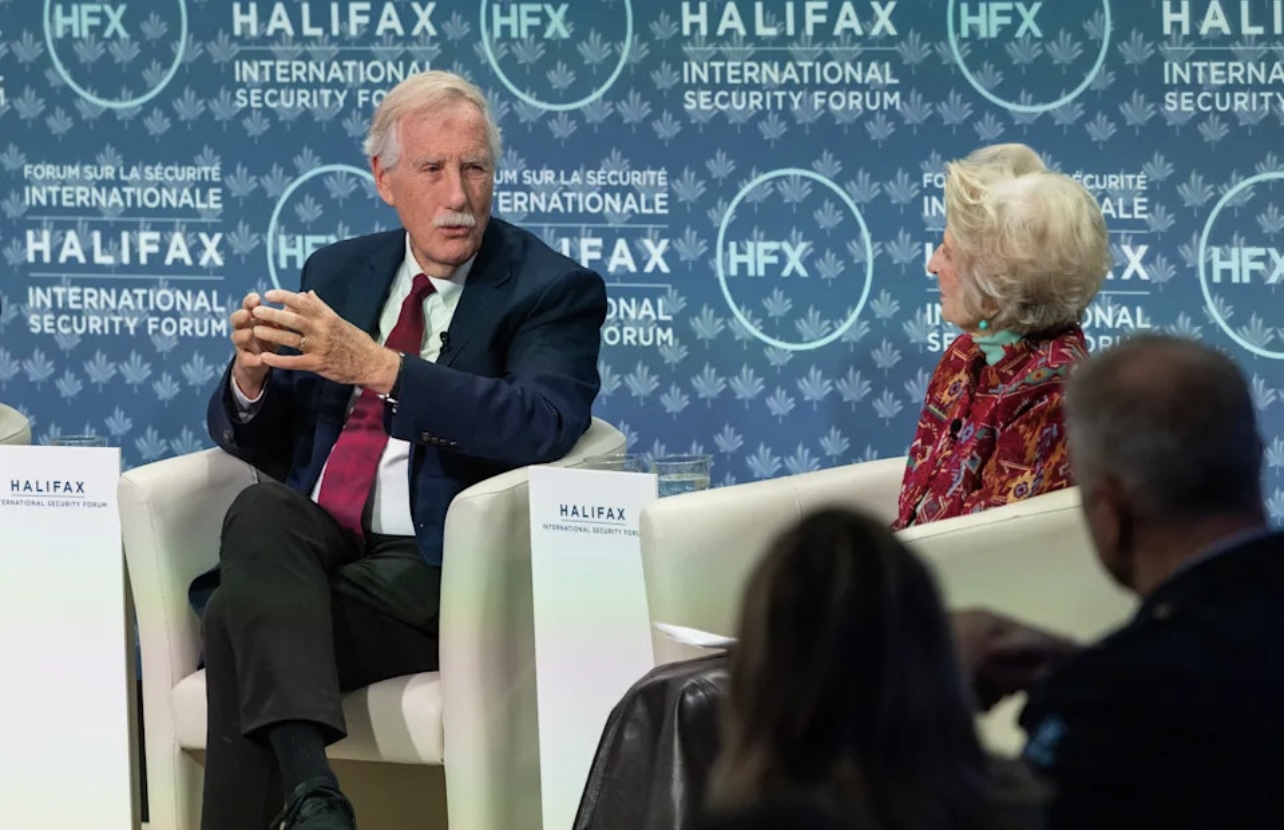
The senators including Mike Rounds, Angus King, and Jeanne Shaheen made their claims during a press conference at the Halifax International Security Forum in Nova Scotia, saying that Rubio indicated the U.S. was merely relaying a Russian document, not endorsing it. They argued that many of its terms heavily favor Moscow, including controversial demands around Ukrainian territory, military limits, and NATO membership.
In response, Rubio and the administration strongly rejected the senators’ version. On social media, Rubio insisted the plan was authored in Washington and presented as a “strong framework for ongoing negotiations,” drawing on input from both the Russian side and Ukraine. A State Department spokesman called the idea that the U.S. was simply passing along a Russian wish list “blatantly false.”
The peace proposal itself, whose contents have leaked, is deeply contentious. According to multiple reports, it includes demands long associated with Moscow’s maximalist position — including territorial concessions, a cap on Ukraine’s armed forces, and a pledge that Ukraine would never join NATO. Critics — especially in Ukraine and Europe warn that these terms reward aggression and could leave Ukraine vulnerable in the long run.
Kyiv’s office confirmed receipt of the draft from Washington, calling it an “American side’s assessment” meant to reignite diplomatic engagement. At the same time, European partners are mobilizing: senior officials from the UK, Germany, France, and the EU are expected to convene in Geneva to weigh in and potentially reshape the proposal.
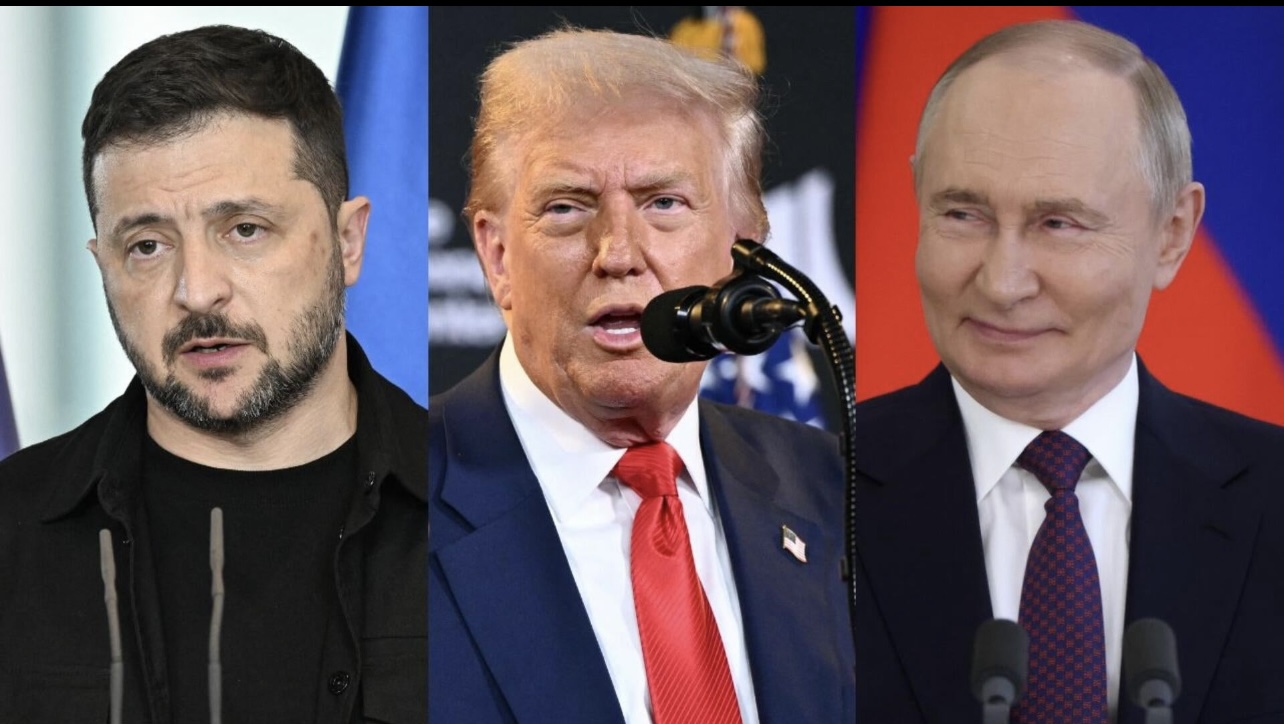
On the Russian side, President Vladimir Putin expressed a surprising openness, saying the U.S.-backed document “could form the basis of a final peaceful settlement”though he also suggested that further military advance would continue if Kyiv and its allies reject the plan.
Back in Washington, the affair has provoked turbulence. The senators who sounded the alarm now demand full clarity on how the proposal was drafted and what instructions, if any, shaped its contents. Administration officials counter that this is simply an opening offer, a first step toward more comprehensive negotiations, not a finished deal.
As the Geneva talks begin, the world now watches whether the plan can be transformed from a controversial draft into a credible pathway to peace — one that balances the need for diplomacy with guarantees that protect Ukraine’s sovereignty.

 English