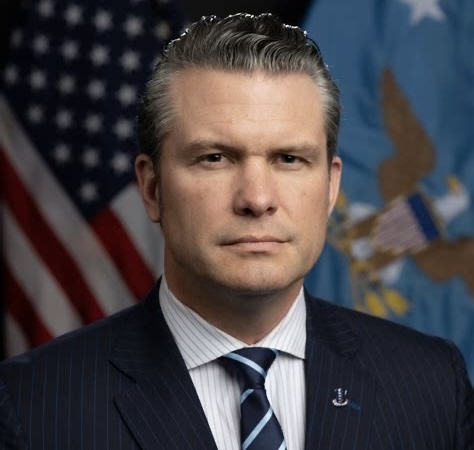
Bipartisan members of Congress on Friday pressed the Pentagon and the White House for urgent answers after media reports suggested Defense Secretary Pete Hegseth ordered a follow-up strike that killed survivors of an earlier U.S. attack on a boat suspected of smuggling drugs from Venezuela. Lawmakers said the allegations, if true, raise grave legal and ethical questions and warrant immediate oversight.
The reporting that triggered the congressional outcry — first detailed in a Washington Post account and repeated by multiple outlets — says that during a September operation a U.S. strike hit a vessel suspected of trafficking narcotics, and that a verbal order was given to “leave no survivors.” The Post report alleges a second strike was carried out to kill people in the water who had survived the initial attack.
Top Democrats and Republicans on armed-services and intelligence panels said they are seeking swift briefings and documentary evidence from the Defense Department, while some lawmakers called for broader investigations. Sen. Tim Kaine (D-Va.) warned that a deliberate strike on shipwrecked survivors would likely amount to a war crime if the reporting is accurate; former naval officers and legal experts have pointed to provisions in U.S. and international law that protect shipwrecked persons. House and Senate oversight leaders said they intended to review operational authorities, targeting procedures and any legal memoranda relied upon in the campaign.
Hegseth and the White House have pushed back. The defense secretary has publicly called the reporting “fabricated” and “fake news,” and President Donald Trump has expressed full confidence in him, according to administration statements. Pentagon officials have insisted the strikes targeting suspected narcotics shipments are lawful and framed as part of an effort to curb fentanyl and other drugs entering the United States.
The controversy has widened beyond Capitol Hill. Venezuelan authorities and President Nicolás Maduro’s government condemned the U.S. maritime operations and said Caracas would pursue its own inquiries, while international legal scholars warned the alleged sequence of events—an initial attack followed by a strike on survivors in the water—would contravene long-standing laws of armed conflict, which prohibit targeting shipwrecked persons.
Officials outside Congress said multiple Pentagon and intelligence entities could become involved in any review. Republican and Democratic committee chairs have signaled they will demand classified briefings; in addition, some watchdogs and inspectors-general offices commonly open inquiries when civilian casualties or potential misuse of force are alleged. The Financial Times and other outlets reported that the wider campaign against suspected narcotics-carrying boats has included dozens of strikes and resulted in scores of deaths, magnifying concern about oversight of the operation.
Administration defenders argue the maritime strikes are part of an aggressive strategy to stop large shipments of fentanyl and other hard drugs and say U.S. forces operate under legal authorities intended to interdict international traffickers who pose a direct threat to American lives. Critics counter that such a doctrine, and any orders that might authorize follow-on strikes on people in the water, should be transparent to Congress and consistent with domestic law and treaty obligations.


 English