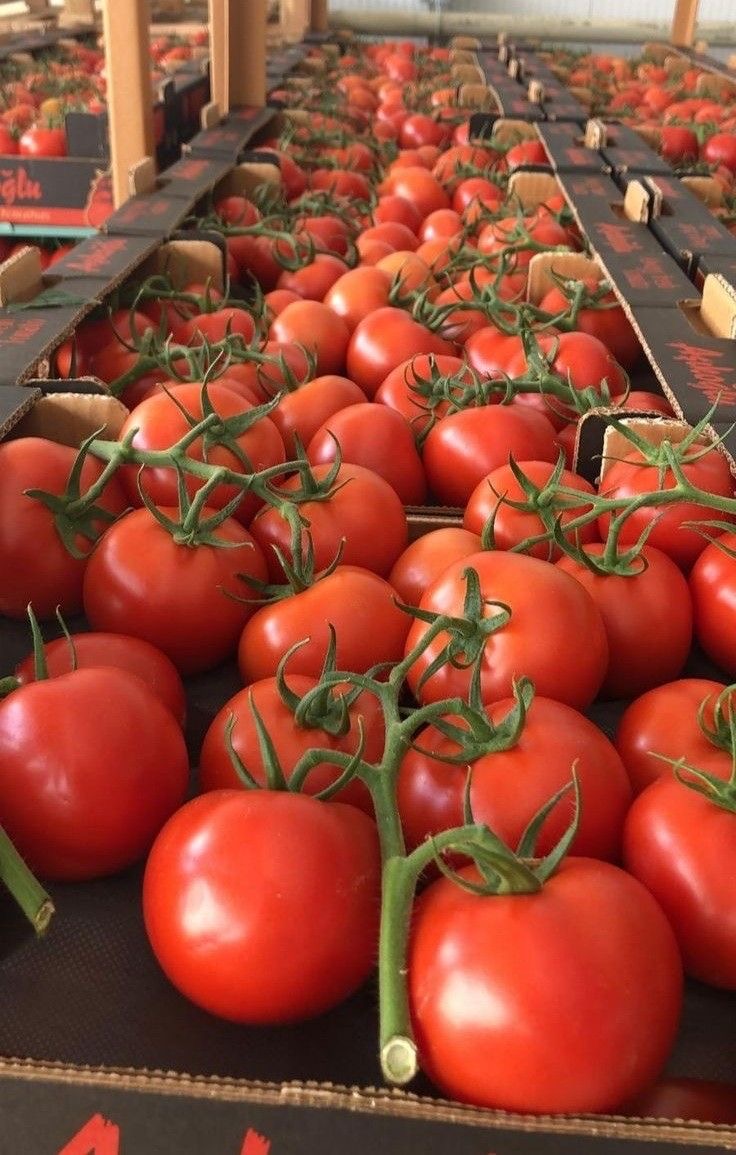
On January 31, boxes of tomatoes were displayed at the Central de Abastos market in Guadalajara, Mexico. Tariffs on Mexican imports may lead prices for tomatoes to rise soon.
If tomato costs rise as a result of increased taxes on Mexican-grown vegetables, restaurant owner Teresa Razo warns that her businesses may fail. “I give it three months, and then we go bankrupt,” said Teresa Razo, the owner of two Argentine-Italian restaurants in Southern California. On July 14, most Mexican tomato imports might face 20.9% duties under a nearly three-decade-old US-Mexico trade pact. This could result in higher pricing for Americans at the grocery store, the pizza parlour, and anywhere else that uses tomatoes. Higher prices could even force some small enterprises to close outright. The tomato tariffs are among the most recent examples of President Donald Trump’s erratic tariff strategy, which has disrupted global commerce, left businesses unsure how to plan for the future, and made Americans concerned about where the world’s largest economy might go.
According to the Bureau of Labour Statistics, field-grown tomatoes would cost US consumers approximately $1.70 per pound in May 2025. According to Timothy Richards, an agriculture professor at Arizona State University, these tariffs might raise consumer tomato costs by around 10% while lowering demand by 5%. According to the US Department of Agriculture, the United States is Mexico’s largest market for tomato exports. In a June assessment, the agency concluded that the increased tariffs will reduce tomato imports and raise prices. Some US producers believe it is past time for tariffs, which are intended to combat “dumping,” or the practice of selling cheap exports into a foreign market to undercut domestic products.
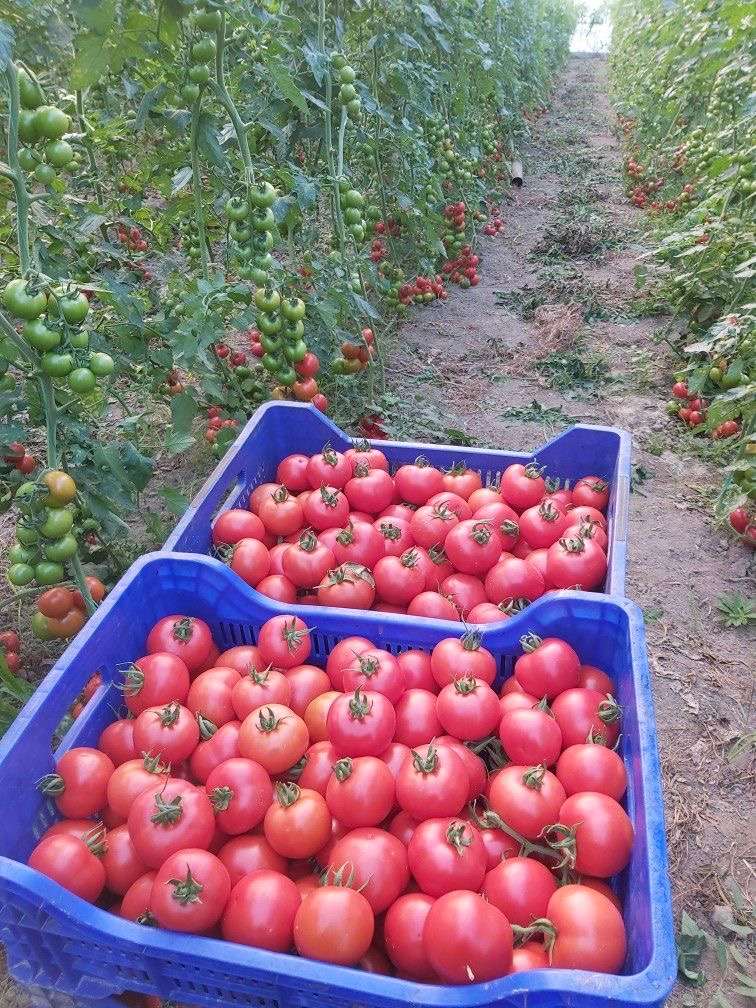
The Tomato Suspension Agreement has been in force since 1996, effectively establishing a floor for tomato imports. The Commerce Department stated in April that it was withdrawing from the pact because the “current agreement has failed to protect U.S. tomato growers from unfairly priced Mexican imports,” according to a statement. This will result in 20.9% taxes on most Mexican tomato imports.
For more than three decades, five consecutive accords have failed to prevent Mexican farmers from illegally dumping unfairly priced tomatoes into the US market,” said Robert Guenther, executive vice president of the Florida Tomato Exchange, in a statement to CNN. Guenther also stated that he believes the trade pact has affected American farmers.
It’s an accusation disputed by Walberto Solorio, a Mexican tomato grower and president of the Baja California Agricultural Council, which represents more than 120 tomato growers. Solorio told a CNN producer that small violations by some Mexican producers have not been enough to warrant the collapse of the entire agreement. “I see it as more of a political issue than a commercial one, not logic or numbers,” Solario said. “Everything indicates, within reason, that the agreement should prevail and that the agreement has been fulfilled.”
‘Fear’ and ‘insecurity’
Both consumers and businesses may feel the squeeze. “Someone who used to eat out three times a week may now only do so once or twice because we have to raise our prices,” said Razo, who needs tomatoes for salads and marinara sauce in pizzas and pastas at her restaurants, Villa Roma in Laguna Hills and Cambalache Grill in Fountain Valley.
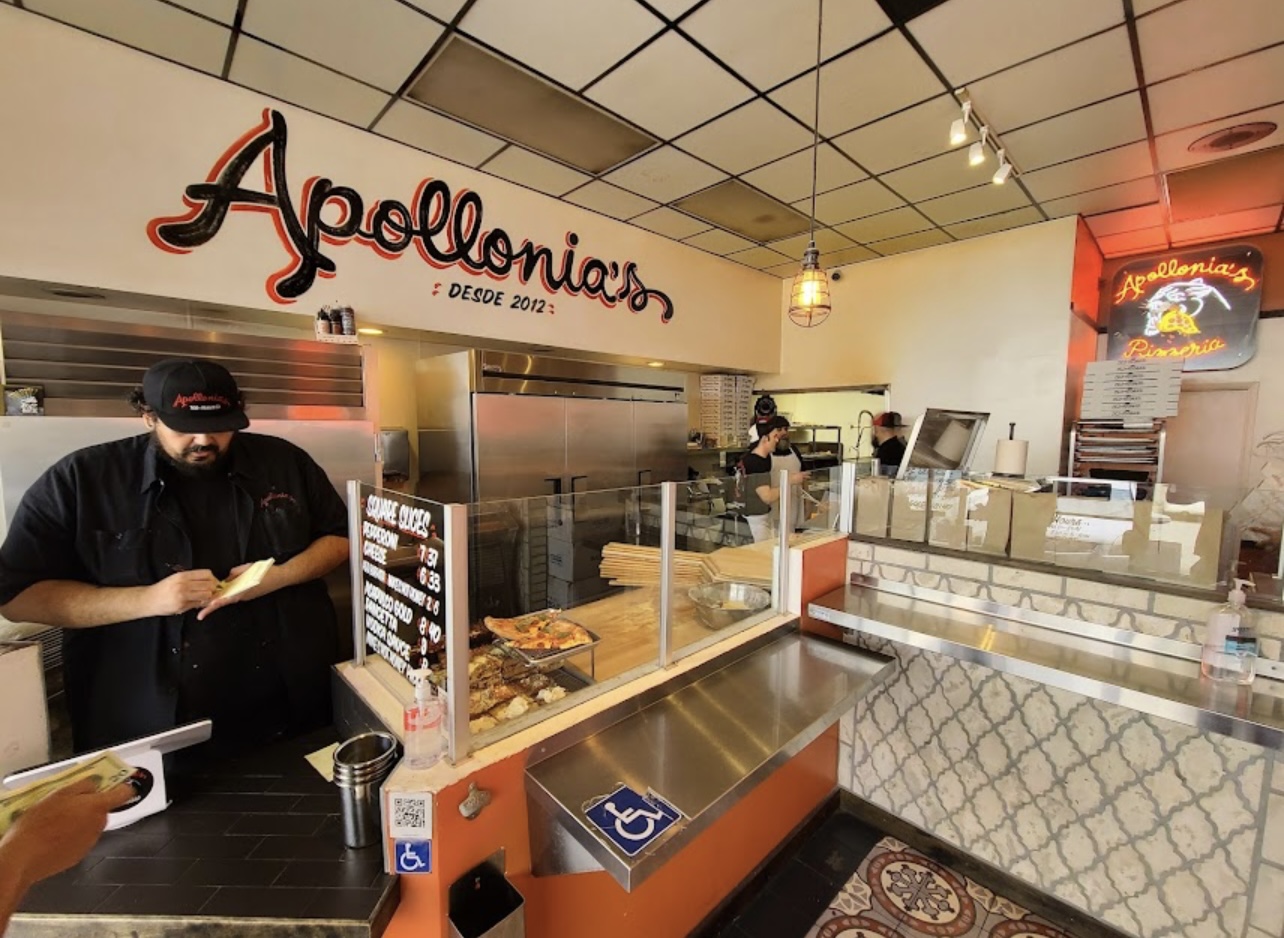 However, certain companies will be exempt from the levies since they use tomatoes grown in the United States. Heinz’s ketchup products sold in the United States only contain domestically cultivated tomatoes. According to DiGiornio’s website, its frozen pizza sauces are produced with California-grown tomatoes. According to co-owner Justin De Leon, some small businesses, such as Appollonia’s Pizza in Los Angeles, may absorb the cost of utilising Mexican tomatoes for toppings rather than passing it on to customers.
However, not everyone can afford that. Razo is attempting to acquire tomatoes from domestic growers instead, but if she cannot locate US tomatoes quickly enough, she may have to boost menu prices. With frequent last-minute modifications to tariff implementation this year, she has stopped watching the news every day for her mental health. She stated that she will take a wait-and-see approach to tariffs before developing a policy, adding that the tariffs have caused “instability” and “fear.”
“We don’t need more of that,” Razo stated. “We already have enough.” Guenther stated that American tomato growers can produce enough tomatoes all year “thanks to technological advancements and geographic diversity across the United States.” Terminating the accord would still allow Mexican growers to sell tomatoes in America; they would simply have to follow trade regulations.” However, Solorio stated that Mexican imports had been thoroughly audited on a quarterly basis. “We have complied with the minimum reference prices, with the reports, with the border quality inspections,” he informed me. According to De Leon, Appollonia’s Pizzeria uses Mexican tomatoes for its fresh tomato toppings and California tomatoes in its sauce.He switches between buying tomatoes from California and Mexico to get the greatest in-season vegetables all year. Tariffs on vital products such as cheese are already costing him more and can add to the stress of his already hectic business. “I just hope it ends soon,” de Leon added.



 English