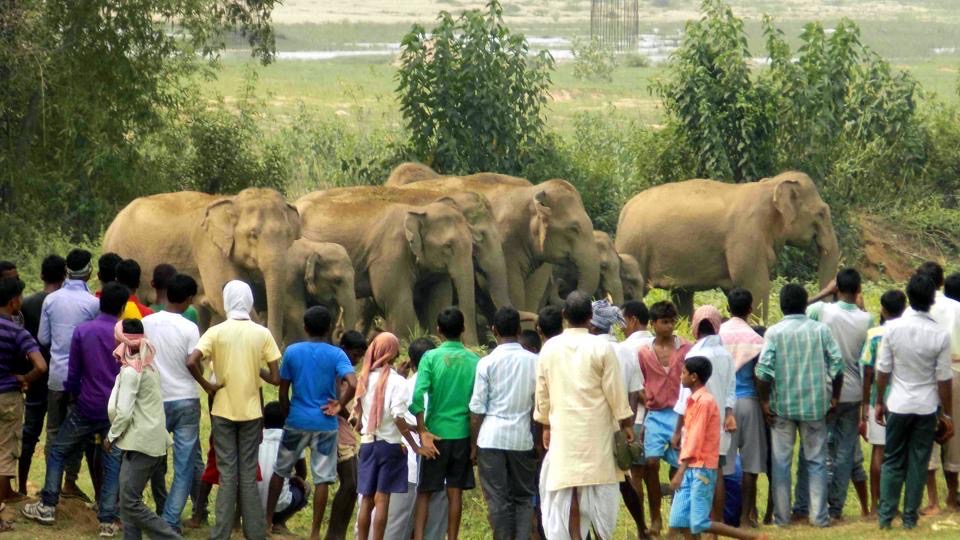
At least twenty people have been killed in a series of attacks by a wild elephant in the West Singhbhum district of Jharkhand, officials confirmed, as forest authorities intensify efforts to locate and contain the animal. The fatalities occurred between January 1 and January 9 in remote forest-fringe communities around Chaibasa and the Kolhan forest ranges, which form part of one of Asia’s largest tropical Sal forest belts. Authorities believe a lone young adult male elephant is responsible for all the deaths, with its erratic and aggressive behavior making tracking and rescue operations especially challenging.
More than a hundred forest personnel have been deployed, using drones, patrols, and traditional alert methods such as drum warnings, in an attempt to locate the elephant before further casualties occur. Reports indicate that the elephant has been moving near or across the border of the neighboring state of Odisha, prompting joint monitoring and patrolling by authorities from both states. Officials say the animal may be in musth, a natural biological phase in male elephants marked by elevated testosterone and heightened aggression, which could explain the unpredictable behavior. Experts have also noted that shrinking forest cover, habitat loss, and increased human activity near elephant corridors have worsened human-wildlife conflict in the region.
Most of the attacks occurred at night, targeting villagers who were outside or sleeping in outdoor shelters to guard crops, a common practice in rural Jharkhand. Among the victims were farmers and their family members. Local authorities have announced monetary compensation for the families of those killed and injured while providing support to affected communities. District and state officials have placed the region on high alert, urging villagers to avoid forested zones and stay indoors at night. The primary objective remains to safely trace and tranquilize the elephant, allowing it to be relocated back into deeper forest away from human settlements.
Human-elephant conflict is a long-standing challenge across India, driven by habitat fragmentation, shrinking forests, and expanding human settlements, which frequently bring people into contact with large wild animals. Authorities continue to appeal for vigilance and caution as rescue and monitoring operations carry on.



 English