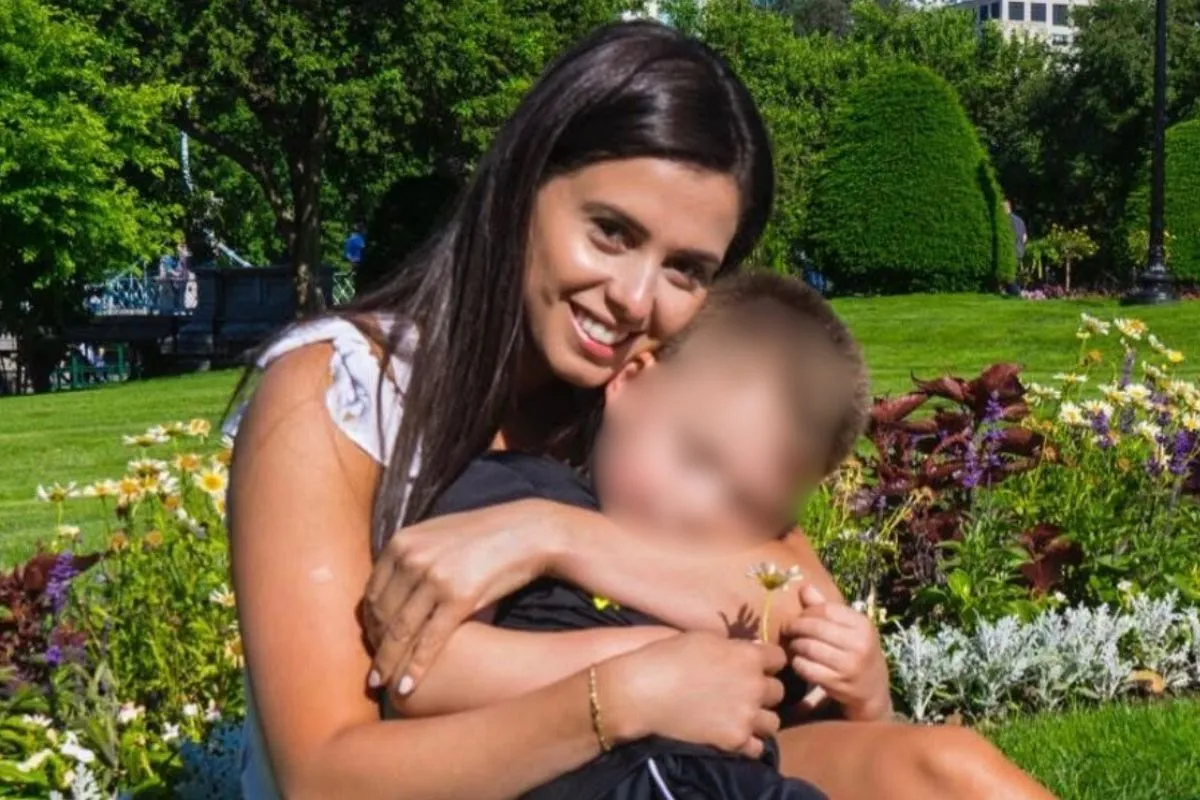
Bruna Caroline Ferreira, a Brazil-born woman connected to White House Press Secretary Karoline Leavitt through family ties, was detained by U.S. Immigration and Customs Enforcement (ICE) in early November 2025 in Revere, Massachusetts. Ferreira is the mother of the nephew of Michael Leavitt, Karoline Leavitt’s brother, and she has since been transferred to a processing center in Louisiana, where she faces removal proceedings.
According to ICE and the Department of Homeland Security, Ferreira first entered the United States on a B-2 tourist visa that required her to leave the country by June 1999, a deadline she allegedly missed. The government has also cited a prior arrest for battery, though her attorney, Todd Pomerleau, disputes that claim, asserting that Ferreira has no criminal record. Ferreira reportedly arrived in the U.S. as a child in 1998 and was at one point protected under the Deferred Action for Childhood Arrivals (DACA) program. Her lawyer and supporters note that she had been seeking permanent residency through a green card application when she was detained.
The family connection has brought public attention to the case. Ferreira shares an 11-year-old son with Michael Leavitt, making the child the nephew of Karoline Leavitt. Michael reportedly has sole custody of the boy, who has lived full-time in New Hampshire since birth, and the parents have not been in contact for many years. Supporters of Ferreira argue that her arrest highlights the human impact of strict immigration enforcement policies, even on families with ties to high-ranking officials. A GoFundMe campaign initiated by Ferreira’s sister has raised funds to cover legal expenses, with donors calling the arrest unjust given her longstanding residence in the U.S.
The Department of Homeland Security has maintained that individuals who are unlawfully present in the country are subject to deportation regardless of prior protections under programs like DACA. Ferreira’s attorney, however, disputes both the overstayed visa allegation and any criminal history. Karoline Leavitt has declined to comment publicly, and a White House official stated that she “had no involvement whatsoever” in the immigration case.
This case highlights broader tensions in U.S. immigration policy. It underscores that familial ties to high-level officials do not exempt individuals from enforcement under current laws. It also emphasizes the ongoing uncertainty for DACA recipients and immigrants seeking lawful status, and it draws attention to the personal and familial consequences of deportation proceedings.


 English