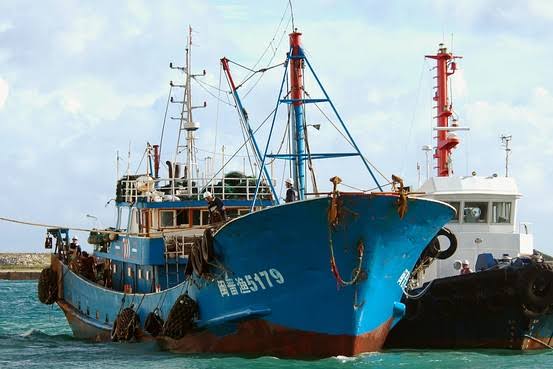
Japan has seized a Chinese fishing vessel and arrested its captain after the boat allegedly refused to comply with an inspection order inside Japan’s exclusive economic zone, in an incident that risks further straining already fragile relations between Tokyo and Beijing.
According to Japan’s Fisheries Agency, the vessel was operating off the coast of Nagasaki Prefecture in waters Japan considers part of its exclusive economic zone when patrol officials attempted to conduct an on-board inspection. Authorities said the vessel failed to stop when ordered and attempted to flee, prompting Japanese officials to pursue and seize the boat. The 47-year-old Chinese captain was arrested on suspicion of obstructing a public official in the performance of duties, while the remaining crew members were detained for questioning.
Japanese officials described the operation as part of routine enforcement measures aimed at preventing illegal fishing by foreign vessels in its waters. Government spokespersons stated that Japan would continue to take what they called “resolute action” to protect its maritime rights under international law. The vessel was reportedly taken to a Japanese port for further investigation.
The incident comes at a sensitive time in relations between Japan and China, which have been marked by growing friction over territorial and security issues. Tensions have long simmered over disputed islands in the East China Sea, known as the Senkaku Islands in Japan and Diaoyu Islands in China. Disagreements over maritime activity, military posture and regional security — including concerns surrounding Taiwan — have added to diplomatic strain between the two countries in recent months.
While Beijing had not issued a detailed formal response at the time of reporting, Chinese authorities have previously urged Japan to handle such maritime incidents carefully and to safeguard the rights and safety of Chinese fishermen. Analysts say even routine enforcement actions can quickly escalate politically given the broader geopolitical context.
Maritime confrontations involving fishing vessels have historically served as flashpoints in East Asian territorial disputes, and observers warn that continued incidents could complicate efforts by both governments to stabilize relations. For now, the case is being handled through legal and diplomatic channels, but it underscores the delicate balance in contested waters between law enforcement and diplomacy.



 English