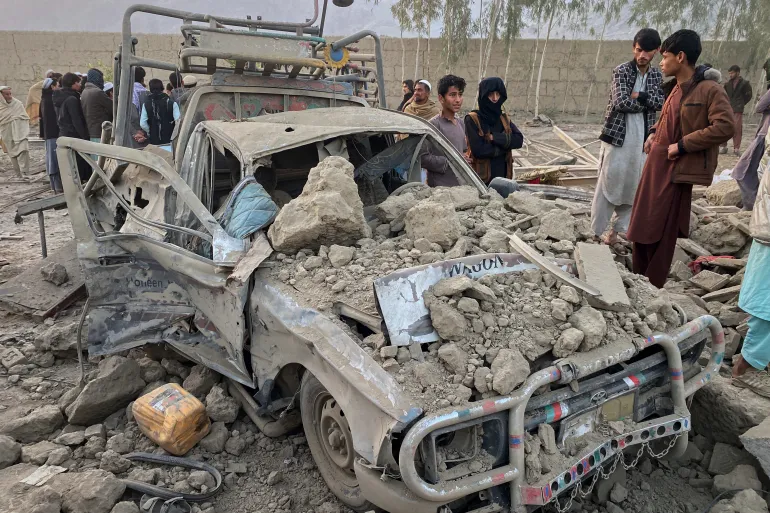
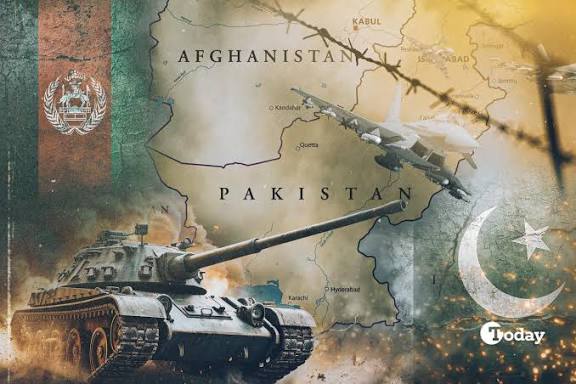
Pakistan’s military has carried out a series of air strikes inside neighbouring Afghanistan, targeting what it described as militant hideouts along the volatile border region. The strikes, which took place in eastern Afghan provinces including Nangarhar Province and Paktika Province, mark a sharp escalation in tensions between the two countries.
Pakistani officials said the operation was intelligence-based and aimed at camps belonging to the Tehrik-i-Taliban Pakistan (TTP), a group Islamabad accuses of carrying out recent deadly attacks inside Pakistan. According to Pakistan’s military sources, several militant targets were hit and a significant number of fighters were killed. The strikes were described as necessary to prevent further cross-border violence and protect Pakistani civilians.
Afghanistan’s Taliban-led government strongly condemned the attacks, calling them a violation of national sovereignty and international law. Officials in Kabul said the air strikes struck residential areas, resulting in civilian casualties including women and children. Afghan authorities reported multiple deaths and injuries, though exact figures remain disputed as rescue efforts continue in affected villages.
The cross-border operation follows weeks of heightened security concerns in Pakistan after a series of attacks blamed on TTP militants allegedly operating from Afghan territory. Islamabad has repeatedly urged Afghan authorities to take action against militant groups it says are using Afghanistan as a safe haven. Kabul, however, denies allowing its territory to be used for attacks against Pakistan and has rejected the allegations.
The latest strikes risk further destabilising relations between the two neighbours, whose ties have been strained since the Taliban returned to power in Kabul in 2021. Diplomatic contacts are ongoing, but strong statements from both sides have raised fears of retaliatory measures and a possible widening of hostilities along the border.
Regional observers warn that continued escalation could worsen humanitarian conditions in already fragile border communities and complicate broader regional security efforts. For now, tensions remain high as both governments defend their positions and the international community calls for restraint.
 English