
At least 19 people have been killed in Nepal following days of unrest as thousands of young demonstrators, largely from Generation Z, took to the streets to protest against corruption and a government move to restrict access to social media platforms.
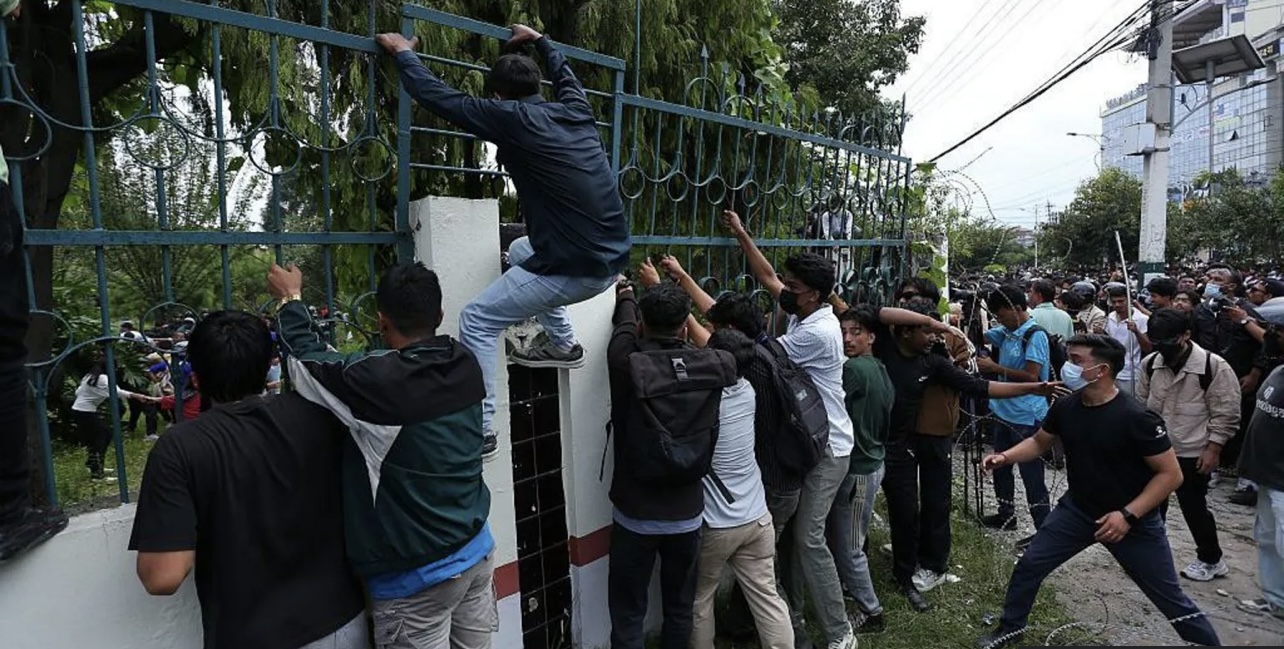
Authorities confirmed the death toll late Sunday after violent clashes between protesters and security forces in several cities, including the capital Kathmandu, Pokhara, and Biratnagar. Hospitals reported treating hundreds of people for injuries ranging from tear gas exposure to gunshot wounds.
The protests were triggered earlier this week when the government announced a nationwide ban on major social media networks, citing “national security concerns” and the spread of “misinformation.” Critics argue the decision was politically motivated, designed to silence dissent and weaken the growing influence of digital activism in the country.
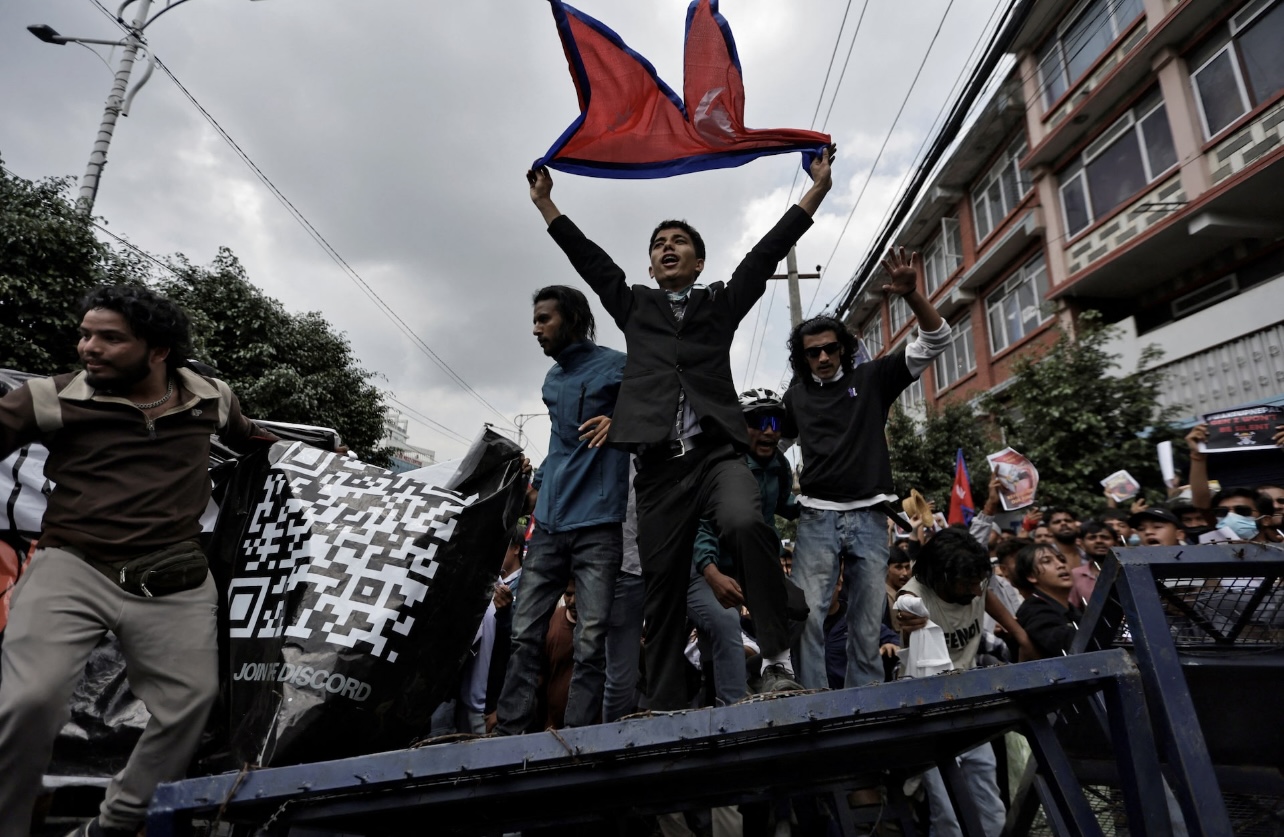
Demonstrators, many of them students and young professionals, have also been demanding stronger action against entrenched corruption within state institutions. Protesters accuse politicians and senior bureaucrats of misusing public funds and ignoring calls for reform.
“We are the generation that refuses to be silenced,” said 22-year-old protester Aarav Sharma, speaking outside Kathmandu’s Ratna Park before police dispersed the crowd. “Corruption has stolen our future, and now they want to take away our voices online.”
International rights groups have expressed alarm at the scale of the crackdown. Amnesty International urged Nepalese authorities to exercise restraint and restore access to digital platforms, warning that excessive use of force could further escalate tensions.
The government has defended its actions, saying the ban is temporary and necessary to maintain order. “We understand the concerns of the youth,” a government spokesperson told local media, “but stability must come first.”
Analysts warn the unrest could mark one of the most significant youth-led protest movements in Nepal since the 2006 People’s Movement that restored democracy. With nearly half of Nepal’s population under the age of 25, the ongoing crisis is likely to test both the country’s fragile political system and its commitment to democratic freedoms.

 English