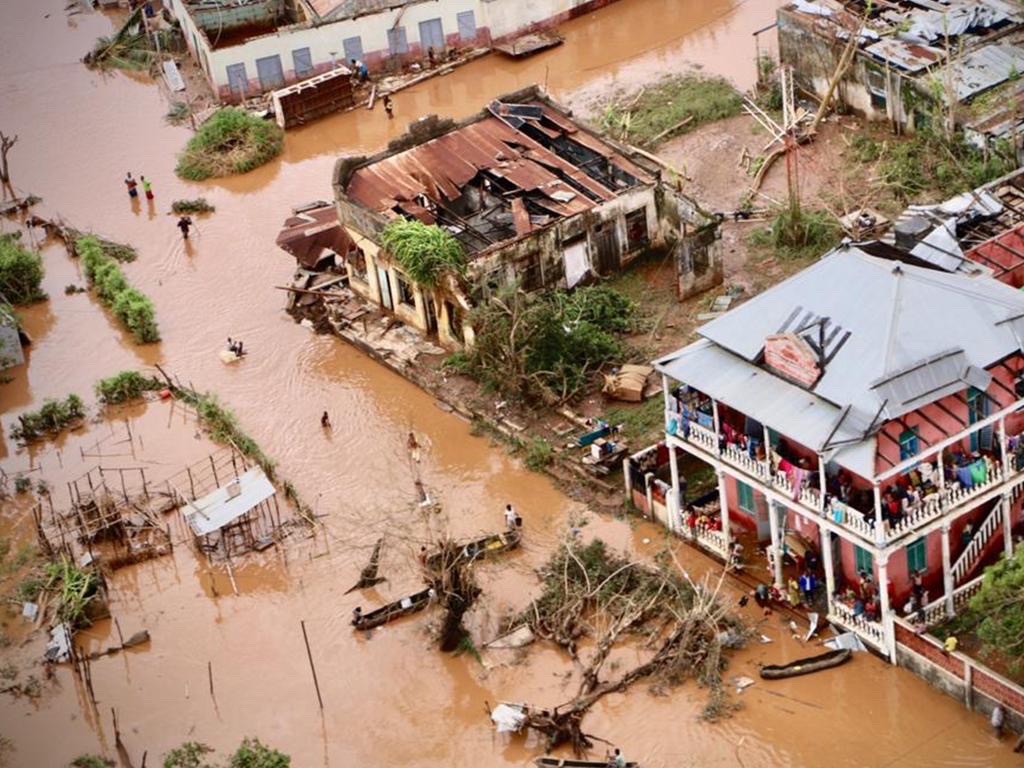
Severe and prolonged rainfall has triggered some of the worst flooding in decades across Mozambique, leaving communities submerged, critical infrastructure destroyed and millions facing urgent humanitarian needs. Officials say the flooding has affected hundreds of thousands of people, displaced large populations and disrupted supply routes, while the full death toll continues to rise as rescuers search for survivors.
The Mozambican government has appealed for rapid international aid as authorities struggle to respond to the scale of the disaster. The National Disaster Management Institute (INGD) reported that the nation is experiencing its worst flooding in decades, with around 600,000 people displaced, especially in the hardest-hit provinces of Gaza, Zambézia, Inhambane and Sofala. Vast swathes of land, including rural and urban areas, have been submerged as rivers have overflowed, and roads and bridges have been washed away or rendered impassable.
Emergency services and volunteer teams have been working around the clock to evacuate people from dangerously flooded areas. Air and ground rescue operations are ongoing, but heavy waterlogged terrain continues to hamper relief efforts. According to United Nations agencies, more than half a million people have been affected by the floods nationwide, with thousands seeking shelter in temporary centres and makeshift camps.
The human toll has been severe, with official figures indicating that more than 100 people have died in Mozambique as a result of the flooding, and the number is expected to rise as rescue teams reach more remote areas and assess impacts from continued rainfall. Floodwaters have destroyed homes and infrastructure, including schools, clinics and water systems, isolating communities and cutting off access to essential services.
Conditions in many flood-affected areas are deteriorating as health risks grow due to stagnant water, damage to sanitation systems, and the threat of water-borne diseases such as cholera. Aid agencies warn that children and other vulnerable groups face heightened risks of malnutrition, illness and interrupted access to education and healthcare.
The region’s flooding is part of a broader Southern Africa weather crisis, with neighbouring countries such as South Africa and Zimbabwe also reporting heavy rains, widespread flooding and a mounting death toll. In Mozambique alone, emergency teams have reported widespread damage to agricultural land and crops, raising fears of food shortages in the coming months.
The government has postponed the start of the school year in many parts of the country due to flood damage and is coordinating with the United Nations and international partners to scale up humanitarian assistance. However, Mozambique’s limited resources mean that global support will be crucial to meet immediate needs and to support long-term recovery efforts.
Background: Mozambique has a history of devastating floods, including the catastrophic events in 2000 that killed hundreds and left millions homeless. Climate scientists note that extreme rainfall events have been exacerbated by climate change and regional weather patterns like La Niña, contributing to more frequent and intense floods in parts of Southern Africa.
 English