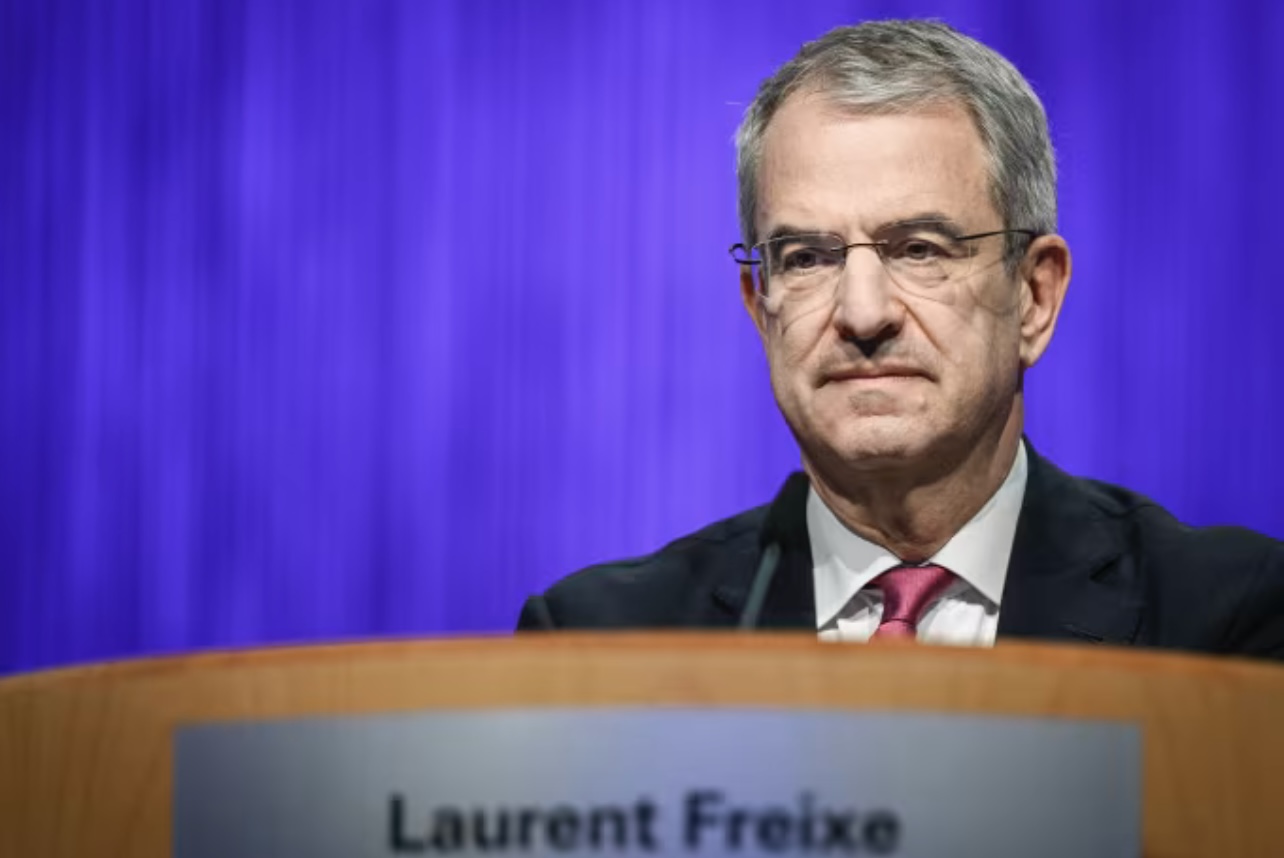
Nestlé, the world’s largest food and beverage company, was thrown into turmoil this week after it announced the sudden dismissal of Chief Executive Officer Laurent Freixe. The move followed an internal investigation that uncovered an undisclosed romantic relationship between Freixe and a direct subordinate, a breach of the company’s code of conduct that executives deemed impossible to overlook.
Freixe’s departure comes less than a year after he assumed the top role on September 1, 2024, replacing long-serving CEO Mark Schneider. His removal, effective immediately, marks the second time in just twelve months that Nestlé has had to replace its chief executive, amplifying concerns about stability at the Swiss multinational.
According to company insiders, the relationship first came to light through Nestlé’s confidential “Speak Up” hotline earlier this year. Although an initial inquiry did not substantiate the claim, lingering concerns prompted a deeper investigation overseen by Chairman Paul Bulcke, Lead Independent Director Pablo Isla, and external legal counsel. That probe revealed the relationship was indeed ongoing and, more critically, that Freixe had initially misled the board when asked directly about it.
Nestlé emphasized that the decision to dismiss Freixe was not taken lightly but was necessary to uphold the integrity of its values and governance standards. In a statement, Bulcke expressed gratitude for Freixe’s nearly four decades of service to the company but confirmed that the former CEO would not receive an exit package, a reflection of the seriousness with which Nestlé views the violation.
In Freixe’s place, the board appointed Philipp Navratil, a long-time Nestlé executive who most recently led the company’s Nespresso division. Navratil, who joined Nestlé in 2001 as an internal auditor, has risen steadily through the organization, taking on leadership roles in Central America and in its flagship coffee businesses, including Nescafé and the Starbucks at Home brand. He joined the company’s Executive Board earlier this year and is now tasked with restoring confidence both internally and among investors.
Bulcke praised Navratil’s inclusive leadership style and insisted that the company’s long-term strategy would remain unchanged despite the shake-up. Nestlé will continue to focus on its core growth engines—coffee, pet care, and packaged foods while driving efficiency across its global operations.
The market reaction, however, reflected investor unease. Nestlé shares slipped in Zurich trading following the announcement, extending a decline that has already seen the stock lose around 17 percent over the past year. Analysts warn that the leadership upheaval could complicate efforts to steady performance at a time when the company is already grappling with weak sales, rising trade barriers, and fierce competition.
The abrupt removal of a CEO under such circumstances has cast a spotlight on corporate governance at one of the world’s most prominent consumer brands. For shareholders, employees, and stakeholders alike, the episode raises uncomfortable questions about accountability at the top and how effectively boards can safeguard corporate culture.
As Nestlé moves forward under Navratil’s leadership, the company faces the twin challenge of addressing operational headwinds while also repairing trust at the highest levels. For a corporation that prides itself on stability and tradition, the scandal marks one of the most dramatic leadership crises in its modern history.



 English