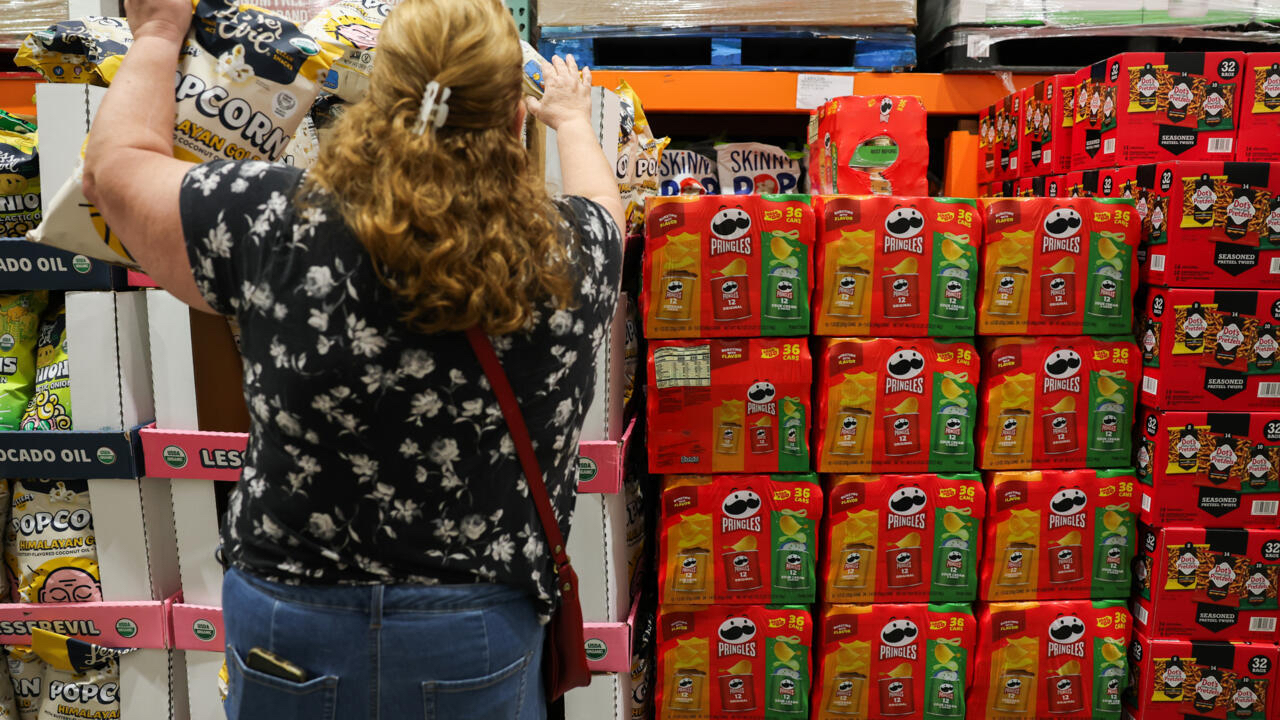
San Francisco has filed a landmark lawsuit against several of the nation’s largest food and beverage companies, alleging that their production and marketing of ultra-processed foods have contributed to a public health crisis. The suit, filed on December 2, 2025, by City Attorney David Chiu, targets at least ten major corporations, including Coca-Cola, PepsiCo, Kraft Heinz, Nestlé, General Mills, Kellogg, Mondelez International, Mars Incorporated, Post Holdings, and ConAgra Brands.
According to the lawsuit, these companies have engineered a food system that increasingly replaces whole, recognizable foods with highly processed formulations. These ultra-processed products, such as sodas, candy, chips, cereals, ready-made meals, and processed meats, are designed to stimulate cravings and encourage overconsumption. San Francisco officials contend that these practices have knowingly prioritized profit over public health, drawing comparisons to the historic behavior of big tobacco companies.
The lawsuit claims that consumption of ultra-processed foods is linked to a range of serious chronic illnesses, including type 2 diabetes, obesity, heart disease, fatty liver disease, and colorectal cancer. Officials argue that the resulting health burden has imposed significant costs on the city’s healthcare system, food assistance programs, and public health infrastructure. By taking legal action, San Francisco is seeking to end deceptive marketing practices, particularly those aimed at children and vulnerable communities, as well as to ensure consumer education about the health risks associated with ultra-processed foods. The city is also seeking financial compensation to help offset the public health costs linked to these products and potential regulatory constraints on marketing and distribution.
This lawsuit comes amid a growing wave of research connecting high consumption of ultra-processed foods to diet-related illnesses. It also follows recent state-level initiatives in California to reduce the presence of these foods in school meals. Officials point out that ultra-processed foods now make up a substantial portion of the American diet, contributing to the high prevalence of chronic health conditions.
San Francisco’s action marks the first time a U.S. municipal government has launched such a comprehensive legal challenge against food manufacturers for producing ultra-processed foods. If successful, the case could reshape the marketing, labeling, and regulation of processed foods nationwide and spark broader debates about corporate responsibility, consumer protection, and the balance between convenience and public health.



 English