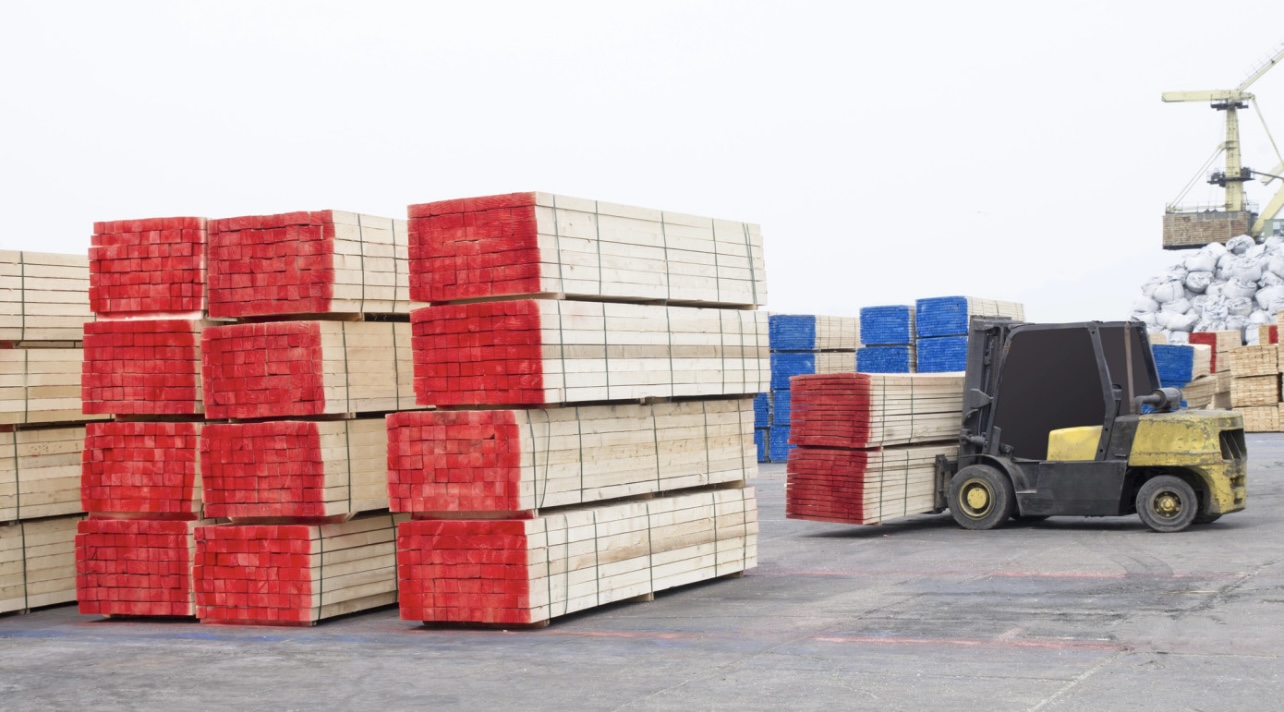
President Donald Trump has announced new tariffs on imported wood and wood-based products, setting a 10 percent duty on softwood lumber and a 25 percent duty on kitchen cabinets, bathroom vanities, and certain wooden furniture. The proclamation, signed on Tuesday, invokes national security powers that the administration has relied on in past trade actions. The tariffs will officially take effect on October 14, 2025, at 12:01 a.m. Eastern Time, and White House officials have warned that the rates could rise further in January if new agreements are not reached with exporting countries.
The move is expected to have significant consequences for the U.S. housing and furniture markets. Canada, which supplies the bulk of America’s softwood lumber, is likely to be hit the hardest. Major exporters of furniture and cabinetry such as Vietnam and Mexico are also bracing for higher costs and potential declines in sales to U.S. buyers. Industry analysts have already warned that American homebuilders and retailers will face increased input costs, which could ripple into higher prices for new houses, renovations, and consumer furniture. Business groups, including the U.S. Chamber of Commerce, have criticized the decision, arguing that the tariffs will disrupt supply chains, fuel inflation, and burden American consumers.
The administration, however, has defended the action as necessary to protect critical domestic industries. Officials argue that boosting U.S. timber and wood-product manufacturing will strengthen national resilience, secure supply chains, and create jobs. Critics have questioned the justification, noting that the national security rationale for tariffs on consumer goods like cabinets and furniture may be difficult to sustain in global trade disputes.
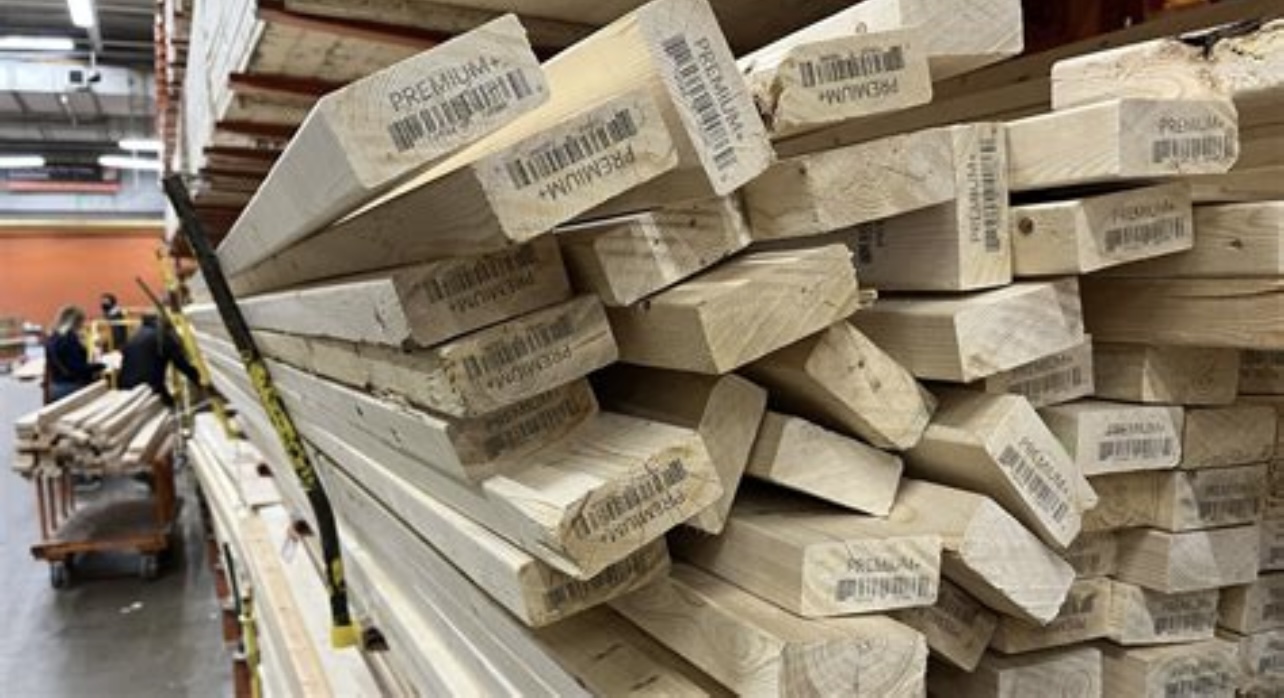
Trading partners have already begun to respond. Canadian officials are voicing concern and preparing to seek exemptions or lodge challenges, while exporters in Vietnam and Mexico say they will attempt to absorb some of the additional costs or pass them on to American buyers. Economists warn that consumers could see higher prices as early as this winter if the new duties are fully enforced.
The tariff order marks one of Trump’s most significant trade actions since his return to office, underscoring his broader push to use protectionist measures to rebuild U.S. manufacturing. Whether the policy ultimately strengthens domestic industries or sparks another cycle of trade disputes and higher costs remains to be seen.



 English