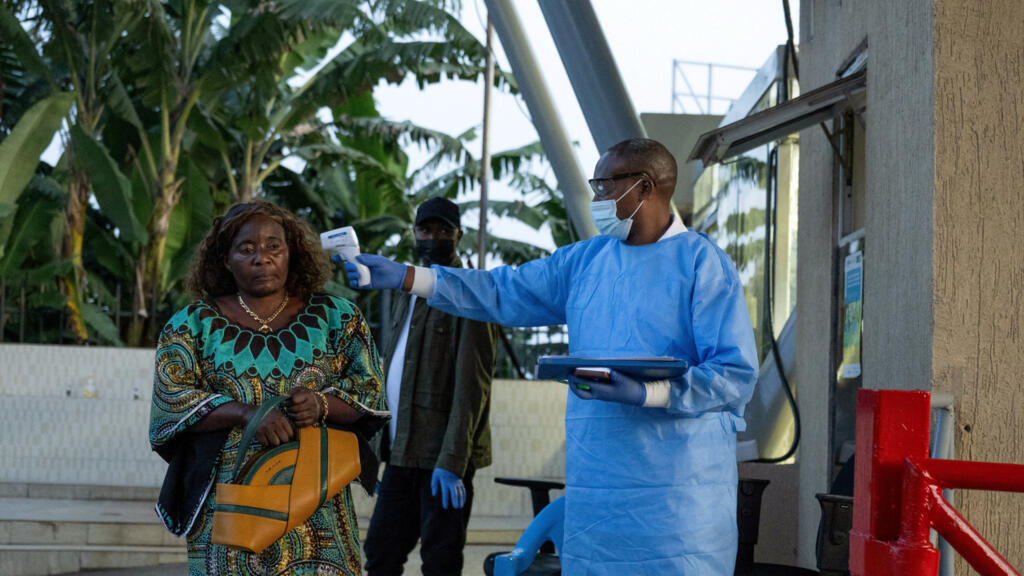
A growing Ebola outbreak in eastern Democratic Republic of Congo (DRC) has plunged communities into fear as health officials struggle to contain the rapid spread of a rare and deadly strain of the virus. The outbreak, centered in the conflict-hit provinces of Ituri and North Kivu, has already crossed borders into Uganda and prompted the World Health Organization (WHO) to declare a global public health emergency.
Residents in affected towns describe a climate of panic and exhaustion after years of violence, displacement, and repeated disease outbreaks. “Ebola has tortured us,” one resident told international media as families mourned loved ones and feared further infections. Reports from the ground indicate that many people are avoiding hospitals, markets, and crowded public spaces as anxiety spreads alongside the virus.
Health authorities say the outbreak is being driven by the Bundibugyo strain of Ebola, a rare variant for which there is currently no approved vaccine or targeted treatment. Experts warn that the virus may have circulated undetected for weeks because early tests focused on the more common Zaire strain, delaying diagnosis and response efforts.
According to WHO and regional health officials, more than 500 suspected infections and over 130 suspected deaths have been recorded, although the true scale of the epidemic remains unclear. Confirmed cases have been detected in Bunia, Goma, and other densely populated urban areas, raising fears of wider regional transmission. Uganda has already reported confirmed infections linked to travel from Congo.
Medical workers on the front lines say they are overwhelmed and dangerously under-equipped. Aid groups and local responders report shortages of gloves, masks, medicines, fuel, and motorbikes used for tracing contacts in remote villages. Some clinics reportedly lack even basic protective equipment, forcing healthcare staff to improvise while treating highly infectious patients.
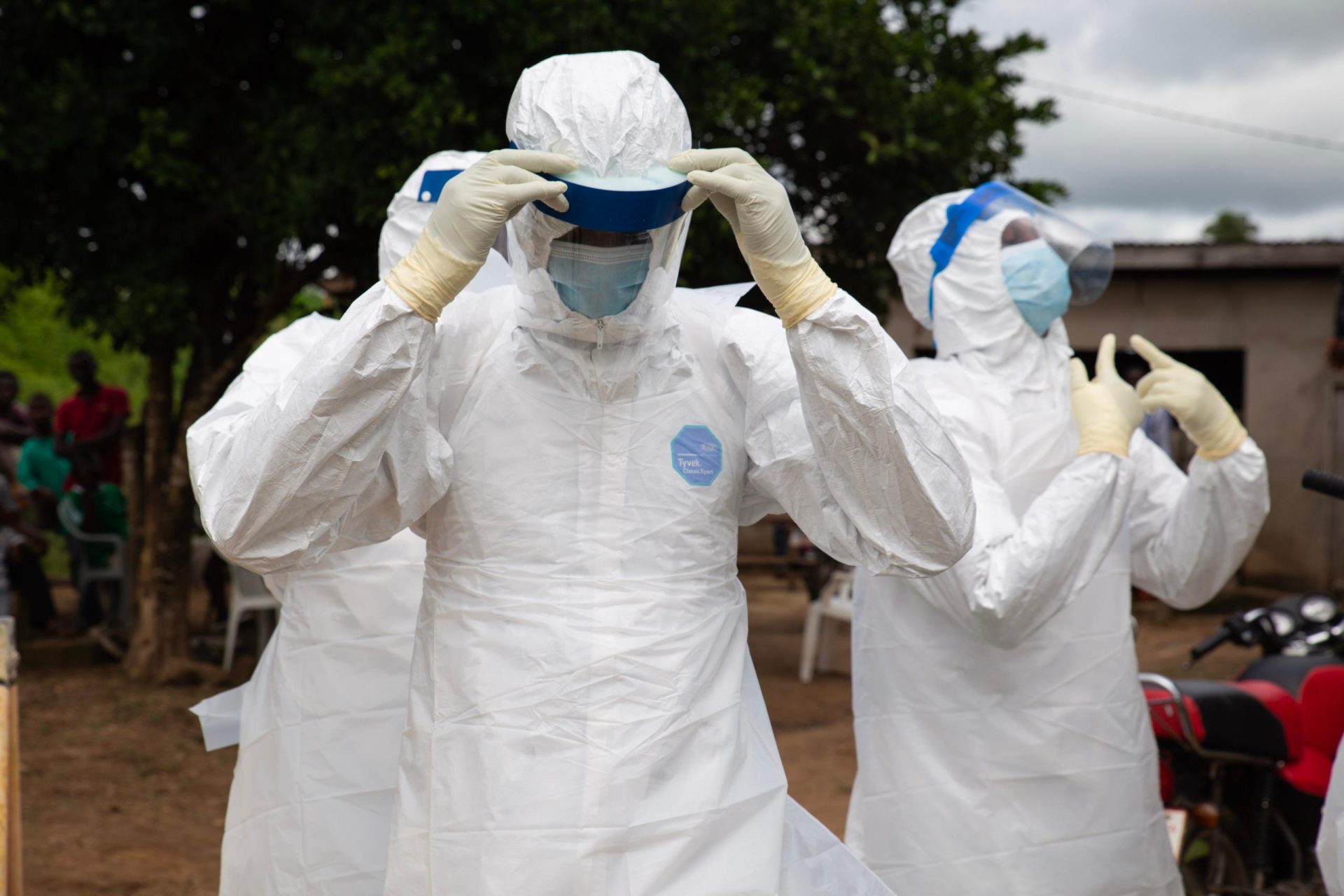
The crisis has been intensified by insecurity in eastern Congo, where armed groups operate across large areas of territory. Health teams face difficulties reaching remote communities, while population movement linked to mining activities and displacement has complicated efforts to track infections. International experts also warn that cuts to foreign aid and weakened disease-surveillance systems may have contributed to the delayed detection of the outbreak.
The outbreak has also drawn international attention after several foreign aid workers and missionaries were exposed to the virus. An American doctor infected while working in Congo was flown to Germany for treatment under strict isolation measures. Meanwhile, the U.S. Centers for Disease Control and Prevention (CDC) says the risk to the wider global public remains low but confirmed that emergency response operations are underway in both Congo and Uganda.
WHO Director-General Tedros Adhanom Ghebreyesus warned that the outbreak represents a serious regional threat because of its rapid spread, the lack of approved vaccines, and the fragile healthcare conditions in eastern Congo. Experimental vaccines are being explored, but experts caution that any large-scale deployment could take months.
This marks the 17th Ebola outbreak recorded in the DRC since the virus was first identified in 1976. Previous epidemics in the region have demonstrated how quickly Ebola can escalate in areas affected by conflict, poverty, and weak health infrastructure. Public health officials are now racing to expand treatment centers, improve testing, and strengthen cross-border surveillance before the outbreak spreads further across Central and East Africa.


 English